You Won’t Believe What I Shot in Zermatt — Hidden Gems & Local Treasures
Zermatt isn’t just about the Matterhorn — it’s a photographer’s dream wrapped in alpine magic. I went chasing light, shadows, and authentic moments, and stumbled upon something even more special: local crafts you won’t find anywhere else. From hand-carved wooden keepsakes to creamy mountain chocolate, every shot told a story beyond the scenery. If you’re looking to capture more than just postcard views, this is where your lens should wander.
The Photographic Soul of Zermatt
Zermatt’s visual rhythm is shaped by its pristine alpine environment and car-free streets, where the only sounds are the chime of cowbells and the soft crunch of gravel underfoot. This quietude enhances the photographic experience, allowing photographers to tune into subtle shifts in light and atmosphere. The village sits in a natural amphitheater surrounded by 38 peaks over 4,000 meters, with the Matterhorn standing sentinel like a sculpted spire of rock and ice. But beyond the iconic summit, it’s the interplay of light and terrain that elevates Zermatt into a realm of visual poetry.
Golden hour on the Gornergrat is a revelation. As the sun dips behind the Monte Rosa massif, the snowfields ignite in hues of rose and amber, casting long shadows that stretch across the valley. The Gornergrat Railway, one of Switzerland’s highest open-air lines, offers access to panoramic vantage points without the need for strenuous hiking. Photographers who arrive early are rewarded not only with uncrowded platforms but also with the soft, directional light that emphasizes texture and depth in the landscape. The reflection of the Matterhorn in the still waters of Riffelsee, often framed by frost-kissed stones, has become an almost sacred composition among alpine photographers.
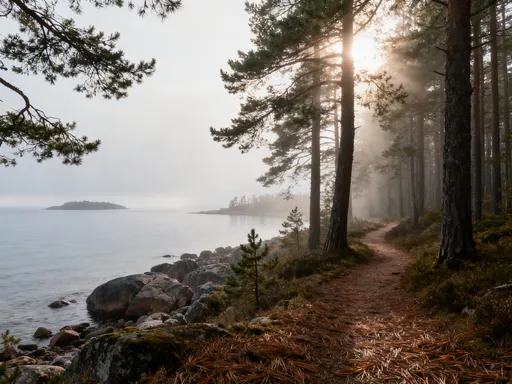
Morning mist drifting through the larch forests near Lake Stellisee adds another layer of visual intrigue. The lake’s mirror-like surface captures the surrounding peaks in perfect symmetry, especially in autumn when golden foliage frames the scene. Unlike the bustling main square of Zermatt, these quieter corners invite contemplative observation. Slowing down allows the photographer to notice details — a dewdrop clinging to a spiderweb, the ripple of a trout beneath the surface, or the way sunlight filters through the needles of an ancient pine. These fleeting moments often make for more compelling images than wide-angle vistas.
The contrast between the grandeur of the mountains and the warmth of village life further enriches the photographic narrative. Cobblestone lanes wind past chalets with flower boxes bursting in summer and snow-laden roofs in winter. Smoke curls from stone chimneys, and wooden balconies display hand-painted signs advertising local specialties. These intimate scenes ground the overwhelming scale of the alpine environment, offering a human counterpoint to the vastness of nature. Photographers who embrace both extremes — the monumental and the minute — create portfolios that resonate on emotional and aesthetic levels.
Beyond the Postcard: Capturing Local Life
While the Matterhorn dominates postcards, the true heart of Zermatt beats in its daily rhythms. To capture the essence of the village, photographers must shift their focus from sweeping panoramas to the quiet moments of human connection. A baker pulling fresh loaves from a wood-fired oven, the scent of warm rye bread filling the morning air, offers a sensory-rich scene that translates powerfully through the lens. These unscripted moments — the flour-dusted hands, the golden crust glistening in the low sun — tell stories of tradition, labor, and community.
Children in woolen hats and sturdy boots walking to school along the river path provide another window into local life. Their laughter echoes between stone walls, and their mittened hands often clutch thermoses of hot cocoa. Capturing these scenes requires patience and respect. Approaching families with a warm smile and a simple nod of acknowledgment can open the door to authentic interaction. In many cases, a quiet presence is more effective than a direct request — allowing life to unfold naturally before the camera.
Artisans shaping traditional tools in small workshops offer even deeper insight. One elderly woodcarver, working in a sunlit corner of his family-run shop, spends hours shaping walking sticks from mountain ash. Each curve is deliberate, each groove a mark of experience. Documenting his hands — weathered, precise, and expressive — becomes an act of honoring heritage. These portraits, when composed with care and dignity, elevate travel photography from observation to storytelling.
Respectful street photography in Zermatt means prioritizing consent and context. While the village welcomes visitors, locals value their privacy. A good practice is to photograph from a slight distance first, then approach with humility if the subject is visible and identifiable. Many residents are proud of their culture and happy to share it when approached with genuine interest. A simple phrase like “May I take a photo?” in English or broken German often opens the door to meaningful exchange. The resulting images carry not just visual beauty but emotional weight — a shared moment frozen in time.
Chasing Light, Finding Craft: Where Photography Meets Tradition
As I wandered through Zermatt’s side streets, I discovered that photographing specialty products became a gateway to understanding the village’s cultural roots. Each craft I encountered — from hand-forged cowbells to intricately assembled wooden chalet models — was more than a souvenir; it was a testament to generations of skill and devotion. The act of documenting these traditions transformed my photography from capturing scenery to preserving stories.
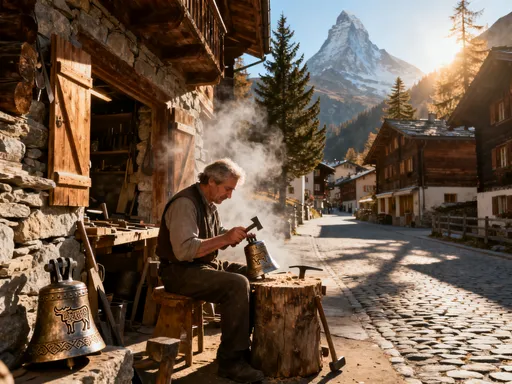
One morning, I visited a small forge where a blacksmith shaped cowbells using techniques passed down for over a century. The rhythmic clang of hammer on metal echoed through the workshop, and sparks danced in the air like fireflies. Each bell is forged individually, tuned to a specific pitch, and engraved with symbols representing alpine identity. Photographing the process — the intense focus in the smith’s eyes, the molten glow of copper, the final polish revealing a mirror-like finish — revealed the artistry behind an object often taken for granted.
Equally captivating was a family-run workshop specializing in handcrafted wooden chalet models. These miniature replicas, some no larger than a shoebox, are built with astonishing precision. Every shingle, window frame, and flower box is carved by hand, often using wood from fallen larch trees. The craftsmen work under magnifying lamps, their hands steady and deliberate. To photograph this level of detail required macro settings and careful lighting. The resulting images — close-ups of dovetail joints, textured bark-like finishes, and tiny hand-painted shutters — turned miniature architecture into fine art.
These encounters reminded me that photography and craftsmanship share a common purpose: to preserve beauty and meaning across time. Just as the woodcarver immortalizes a moment in wood, the photographer freezes it in light and shadow. By documenting these traditions, I wasn’t just taking pictures — I was participating in a quiet act of cultural stewardship. Each image became a bridge between the past and the present, a way to honor skills that might otherwise fade in the face of modernization.
Must-See Specialty Products (And Where to Find Them)
Zermatt’s local economy thrives on authenticity, and its specialty products reflect a deep connection to the alpine environment. Among the most cherished are hand-painted alpine souvenirs, such as wooden ornaments depicting edelweiss flowers, marmots, and traditional folk costumes. These items, often created by local artists, carry the spirit of the mountains in every brushstroke. Unlike mass-produced trinkets, they are made in small batches, ensuring uniqueness and quality.
Sustainably made hiking accessories are another highlight. Local artisans craft woolen hats, gloves, and socks from Swiss sheep’s wool, dyed with natural pigments. These items are not only warm and durable but also environmentally responsible. Some shops offer hiking poles made from recycled materials or wooden grips carved from fallen trees, blending function with ecological mindfulness. Photographing these products in natural settings — a woolen hat resting on a sunlit rock, a pair of gloves draped over a trail map — enhances their storytelling potential.
Valais honey, produced in the sun-drenched valleys below Zermatt, is another regional treasure. Beekeepers maintain hives at high altitudes, where wildflowers like alpine aster and gentian bloom in short but intense seasons. The resulting honey is rich, floral, and deeply aromatic. Some batches even carry a slight mineral note from the mountain springs. Photographing a jar of honey in morning light, with droplets clinging to the spoon, captures both its texture and its terroir.
Family-run stores and seasonal markets are the best places to find these authentic goods. While specific shop names may vary, most are clustered in the central lanes near the church or along the path to the railway station. Winter markets, often held in December, feature wooden stalls adorned with evergreen wreaths and glowing lanterns. These festive settings provide excellent photo opportunities, especially at dusk when warm light spills onto the snow. The key is to look beyond labels and logos — the most meaningful mementos are often found in unassuming corners, where craftsmanship speaks louder than branding.
Photographing Texture, Color, and Detail
Capturing the essence of Zermatt’s specialty products requires attention to texture, color, and fine detail. Natural window light is one of the most valuable tools for this type of photography. In many workshops and shops, light enters from the side, creating soft highlights and gentle shadows that emphasize surface qualities. A wooden spoon, for example, reveals its grain and tool marks when lit from an angle, turning a simple object into a study of form and history.
Macro settings are essential for highlighting intricate craftsmanship. Whether photographing the swirls in a piece of mountain chocolate, the weave of a woolen scarf, or the engraved initials on a cowbell, a close-up lens allows the viewer to appreciate the maker’s hand. A shallow depth of field — achieved by using a wide aperture like f/2.8 — can isolate a single element, such as a drop of honey suspended on a spoon, while blurring the background into a dreamy haze. This technique draws the eye to the focal point and enhances the sense of intimacy.
Color plays a powerful role in storytelling. The deep red of a hand-painted marmot figurine contrasts beautifully against a neutral stone wall. The golden hue of fresh bread emerging from the oven evokes warmth and nourishment. Even the muted greens and browns of hiking gear can be elevated when photographed against a backdrop of snow or pine. By paying attention to color relationships, photographers can create compositions that are not only visually pleasing but emotionally resonant.
Steam rising from a fondue pot offers a dynamic element that brings still-life photography to life. Capturing the exact moment when a wisp of vapor curls upward requires timing and a fast shutter speed. When done well, the image conveys not just the food but the experience — the warmth of the room, the laughter of companions, the richness of melted cheese. These sensory details transform a simple product shot into a narrative scene, inviting the viewer to imagine themselves within the moment.
How to Travel Like a Local Photographer
To truly connect with Zermatt, travelers should aim to move like locals — slowly, quietly, and with intention. Staying in family guesthouses rather than large hotels offers a more personal experience. Many of these accommodations are run by multi-generational families who welcome guests with homemade jams, fresh milk, and warm conversation. These interactions often lead to unexpected photo opportunities — a grandmother arranging flowers in a window box, a father teaching his child to carve a small wooden animal.
Early morning walks are among the most rewarding habits for a photographer. By 7 a.m., the village is still wrapped in quiet. The first light touches the peaks while the streets remain empty, save for a delivery cyclist or a shopkeeper unlocking their door. This is the time to capture reflections in puddles, frost on windowpanes, and the soft glow of lanterns still burning in the square. Returning to the same location at different times of day — morning, midday, dusk — reveals how light transforms a single scene into multiple stories.
Using quiet trails instead of main tourist paths allows for deeper immersion. The path along the Mattervispa River, for example, winds through alder groves and past grazing pastures. It’s not uncommon to spot a herd of mountain goats or a woodpecker drilling into a dead tree. Carrying a small camera bag ensures mobility without burden, and choosing a discreet camera — such as a mirrorless model — helps avoid drawing attention. When photographing people, a polite request and a moment of connection go much further than a quick snapshot.
Blending in also means respecting local customs. Dressing modestly, speaking softly, and observing before acting are subtle ways to show respect. Over time, residents may begin to recognize familiar faces, leading to invitations into homes or workshops. These moments, born of trust and patience, often yield the most powerful images — not because of technical perfection, but because of the human truth they contain.
Why This Matters: Preserving Beauty Beyond the Frame
At its core, travel photography is not just about creating beautiful images — it’s about bearing witness to a way of life. In Zermatt, both photography and traditional craftsmanship serve as acts of preservation. The woodcarver keeps alive a skill that might otherwise disappear. The photographer, by documenting these moments, ensures that the stories are not lost to time. Each image becomes a quiet testament to resilience, identity, and the enduring value of handmade beauty.
Supporting local artisans by purchasing their work is another form of preservation. When travelers choose hand-carved spoons over plastic souvenirs, or Valais honey over imported jam, they contribute to the sustainability of these traditions. These items, when brought home, do more than decorate a shelf — they carry memories, conversations, and connections. They become conversation pieces that inspire others to travel with intention and respect.
Photography, when done with mindfulness, can amplify this impact. Sharing images on social media or in personal albums with context — the name of the artisan, the story behind the craft, the moment of connection — transforms a simple photo into an act of advocacy. It invites others to look deeper, to value authenticity, and to support communities that safeguard cultural heritage.
In a world where mass production and digital saturation threaten to erase local character, places like Zermatt remind us of the power of the handmade and the heartfelt. The mountain may be eternal, but the people who live beside it are the ones who give it soul. By capturing their lives with care and dignity, photographers do more than record a journey — they help sustain a legacy.
True travel photography isn’t just about what you see — it’s about what you feel, remember, and help preserve. In Zermatt, every carved spoon, every sunlit alley, every shared smile is a frame worth framing.