You Gotta See How Mandalay’s Markets and Malls Mix Old and New
Mandalay, Myanmar, isn’t just temples and tuk-tuks — it’s a buzzing hub where tradition meets hustle. I was blown away by how its commercial areas blend age-old bazaars with modern shopping life. From packed street markets to quiet craft workshops, the city’s economic pulse is real, raw, and totally fascinating. If you want to *feel* Mandalay’s rhythm, start where people buy, sell, and dream. This isn’t a city frozen in time — it’s one adapting with grace, where handwoven silks sit beside smartphone cases and monks walk past neon-lit storefronts. Exploring its markets and malls isn’t just about shopping; it’s about witnessing a culture in motion, balancing heritage and modernity with quiet confidence.
The Heartbeat of Trade: Understanding Mandalay’s Commercial Identity
Mandalay has long served as the economic engine of Upper Myanmar, a role rooted in history and geography. Founded in 1857 by King Mindon as the last royal capital of the Burmese monarchy, the city was strategically positioned along major trade routes connecting India, China, and the Irrawaddy Delta. Even today, that legacy lives on in its bustling marketplaces and artisan quarters. Unlike the financial center of Yangon, Mandalay’s economy thrives on craftsmanship, agriculture, and small-scale trade, making it a vital link between rural producers and urban consumers. The city’s commercial spirit is deeply communal, built on personal relationships, trust, and generations-old practices passed down through families.
What sets Mandalay apart is how commerce here is not just transactional — it’s cultural. Shopping isn’t a quick errand but a social experience, often involving tea breaks, conversation, and careful inspection of goods. Vendors pride themselves on quality and reputation, knowing that word-of-mouth can make or break a business. This human-centered approach fosters a sense of continuity, even as new technologies and consumer habits emerge. The city’s layout itself reflects this blend: narrow alleys filled with wooden carts lead into wider avenues lined with concrete storefronts, each telling a chapter of Mandalay’s evolving story.
For visitors, understanding this context transforms a simple market visit into a meaningful encounter. You’re not just observing commerce — you’re stepping into the daily life of a resilient community that values both tradition and innovation. Whether it’s a farmer selling turmeric at dawn or a young entrepreneur livestreaming jewelry sales on social media, the spirit of enterprise remains constant. Mandalay’s markets are more than places of exchange; they are living institutions where history, identity, and livelihood intersect.
Zegyo Market: Where the City Shops for Everything
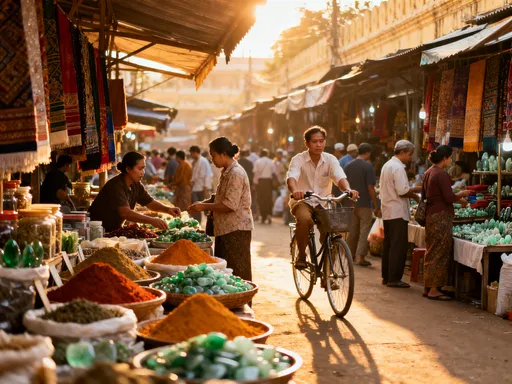
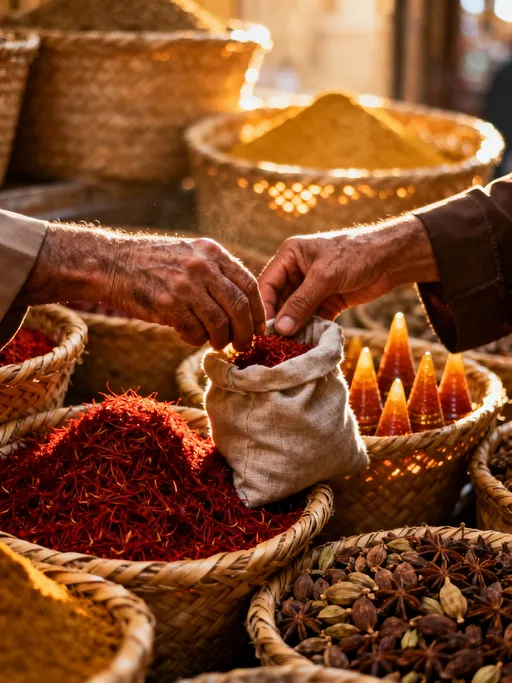
No visit to Mandalay is complete without stepping into Zegyo Market, the city’s largest and most vibrant marketplace. Located near the heart of downtown, this sprawling complex has been a central trading post since the British colonial era and continues to serve as the go-to destination for locals seeking everything from fresh vegetables to household tools. The market operates daily, though the busiest times are early morning and late afternoon, when families stock up for meals and household needs. Walking through its narrow lanes, you’re immediately immersed in a symphony of sights, sounds, and smells — the pungent aroma of fermented fish paste, the bright colors of stacked fruits, and the rhythmic calls of vendors announcing their wares.
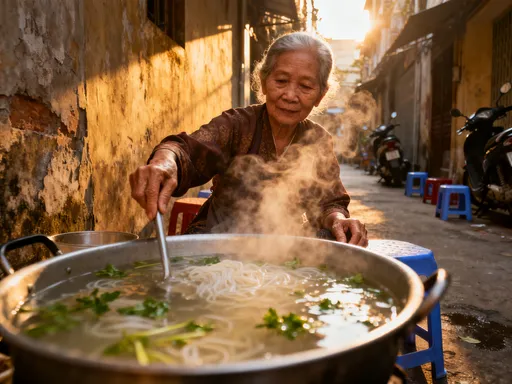
Zegyo Market is divided into sections, each dedicated to specific goods. The ground floor hosts fresh produce — plump mangoes, bitter melons, eggplants, and bundles of lemongrass — sourced from nearby farms. Upstairs, you’ll find textiles, clothing, and accessories, including traditional longyi fabrics in bold patterns. One corner specializes in kitchenware, where brass pots, wooden ladles, and clay stoves sit side by side. Another section offers snacks and ready-to-eat foods, where you can try steaming bowls of mohinga, the national fish noodle soup, or sweet coconut pancakes sold by elderly women in checkered aprons.
For travelers, navigating Zegyo Market can be overwhelming at first, but it’s also one of the most authentic experiences in the city. Bargaining is expected, though prices are generally fair, especially compared to tourist-focused shops. A polite smile and a few basic Burmese phrases — such as “bè-dee” (how much?) or “thone-dee” (thank you) — go a long way in building rapport. It’s advisable to carry small denominations of kyat, as many vendors don’t have change for larger bills. While the market is safe and welcoming, it’s wise to keep an eye on personal belongings in crowded areas, particularly during peak hours.
What makes Zegyo truly special is its role as a community hub. It’s not just a place to shop — it’s where neighbors meet, news is exchanged, and daily rhythms unfold. Children run errands for their parents, elders sit on low stools sipping tea, and motorbikes weave carefully between stalls. This human element is what gives the market its soul. For those seeking an unfiltered glimpse into Mandalay life, Zegyo Market is the perfect starting point — chaotic, colorful, and utterly alive.
From Jade to Gold: The Allure of Mandalay’s Specialty Markets
Beyond everyday goods, Mandalay is renowned for its high-value specialty markets, particularly those dealing in jade and gold. The city sits at the center of Myanmar’s gemstone trade, with nearby mines in Kachin State supplying some of the finest jadeite in the world. While the actual mining happens far from the city, Mandalay serves as a key processing and trading hub. The most famous area for jade is the Jade Market near 26th Street, where hundreds of vendors display polished slabs, carved ornaments, and raw stones. Though many items are priced beyond casual buyers, simply walking through offers a fascinating look at one of Myanmar’s most iconic industries.
Jade holds deep cultural significance in Burmese society, believed to bring protection, prosperity, and health. It’s commonly worn as bracelets, pendants, or earrings, especially by women and children. The quality of jade is judged by color, transparency, and texture, with the most prized being a vivid emerald green known as “imperial jade.” At the market, you’ll see artisans carefully inspecting stones under lamps, while buyers use small hammers to tap the jade, listening for a clear ring that indicates purity. While tourists are welcome to observe, purchasing high-value items requires expert knowledge and caution. It’s recommended to visit with a reputable guide or avoid buying altogether unless you’re well-informed.
Equally impressive is Mandalay’s gold trade, concentrated along 80th Street, often called “Gold Street.” Dozens of shops display intricate Burmese-style jewelry — delicate necklaces, engraved bangles, and ceremonial pieces used in weddings and religious offerings. Gold is not just a luxury in Myanmar; it’s a form of savings and a common gift during important life events. Many families invest in gold as a hedge against economic instability, making it a stable and trusted asset. The craftsmanship on display is exceptional, with designs often incorporating floral motifs, mythical creatures, and Buddhist symbols.
Visitors should approach these markets with respect and awareness. Photography is often restricted, especially inside gold shops, so always ask for permission. While some vendors may encourage purchases, it’s perfectly acceptable to browse without buying. The real value lies in understanding the cultural weight behind these goods — how a jade bracelet might be passed from mother to daughter, or how a gold offering at a pagoda represents devotion and merit-making. These markets aren’t just commercial zones; they’re windows into Burmese values, beliefs, and family traditions.
Artisans at Work: Craft Districts That Keep Traditions Alive
A short journey from the city’s main markets leads to quieter neighborhoods where centuries-old crafts continue to thrive. These artisan districts are the quiet backbone of Mandalay’s economy, preserving skills that have been refined over generations. In places like Thazi Street and the foothills of Mandalay Hill, small workshops hum with activity as craftsmen shape marble, weave silk, and beat gold into paper-thin leaves. Unlike mass-produced goods, these items are made slowly, with care and precision, reflecting a deep respect for materials and tradition.
One of the most remarkable crafts is marble carving, centered in the Kyauk Myaung quarter. Here, artisans use hand tools to sculpt intricate Buddha images, prayer tablets, and decorative panels from blocks of white and green marble. The process is labor-intensive — a single medium-sized Buddha can take weeks to complete — yet demand remains strong, both for religious use and as souvenirs. Visitors are often welcome to observe the work, and some workshops allow you to try basic carving under supervision. It’s a humbling experience that highlights the patience and skill required to transform stone into sacred art.
Equally mesmerizing is the silk weaving industry, particularly the production of longyi, the traditional wrap-around garment worn by both men and women. In workshops around Amarapura, weavers operate wooden looms to create vibrant patterns using natural dyes. Each longyi takes a full day to complete, with designs ranging from floral prints to geometric motifs. The fabric is lightweight, breathable, and perfectly suited to Myanmar’s climate. Buying a longyi directly from a weaver supports local artisans and ensures authenticity — a far more meaningful souvenir than anything found in a tourist shop.
Perhaps the most astonishing craft is gold leaf making, practiced by a handful of families in the Mahagandayon area. Using only basic tools — hammers, wooden blocks, and protective leaves — workers beat pure gold into sheets so thin they flutter in the air like tissue paper. These gold leaves are used to gild Buddha statues, pagodas, and ceremonial offerings. The process is delicate and dangerous, requiring years of training. Visitors can observe the work from a safe distance, and many find it deeply moving to witness such devotion to a craft that has changed little in centuries. Supporting these artisans — by purchasing their work or simply acknowledging their skill — helps ensure these traditions survive for future generations.
Modern Touches: Shopping Malls and Urban Consumer Culture
While traditional markets and workshops define much of Mandalay’s commercial landscape, a quieter revolution is unfolding in its shopping malls. Places like Ocean Super Centre, City Mall, and Ayar Bookstore & Café represent a new era of urban consumption, catering especially to younger generations and middle-class families. These air-conditioned spaces offer a stark contrast to the open-air bustle of Zegyo Market — here, escalators glide between floors, branded stores display mannequins in trendy clothes, and food courts serve everything from noodle bowls to milk tea.
The rise of malls reflects broader social and economic shifts. As internet access improves and global influences grow, Mandalay’s youth are developing new tastes and habits. Smartphones, fashion, and digital entertainment are increasingly important, and malls provide a comfortable, modern space to engage with these trends. You’ll see teenagers taking selfies by neon signs, couples sharing bubble tea, and families celebrating birthdays in family restaurants. These spaces aren’t just for shopping — they’re social hubs, offering Wi-Fi, seating areas, and entertainment options that simply aren’t available in traditional markets.
Yet even in these modern settings, local identity remains strong. Many stores sell Burmese brands — clothing lines with traditional patterns, locally made cosmetics, and books in the Myanmar language. Food courts blend international options with local favorites like Shan noodles and lahpet thoke (fermented tea leaf salad). Some malls even host cultural events, such as calligraphy workshops or classical music performances, bridging the gap between old and new. This blend makes them more than just commercial spaces — they’re evolving into cultural meeting points.
For visitors, malls offer a different kind of insight. They reveal how Mandalay is changing, not by rejecting its past, but by integrating it into a modern lifestyle. While they may lack the raw energy of street markets, they provide comfort, convenience, and a glimpse into the aspirations of a new generation. Stopping by a mall for a coffee or a snack isn’t just a break from sightseeing — it’s a chance to see how locals live today, balancing tradition with the pace of contemporary life.
Street Vendors and Mobile Commerce: The Informal Economy in Action
Beyond formal markets and malls, Mandalay’s commercial life pulses most vividly in its informal economy. Thousands of street vendors — often women, elders, or low-income workers — sustain daily life with small, mobile businesses. These entrepreneurs operate without fixed storefronts, using bicycles, carts, or simple mats to sell everything from boiled peanuts to phone credit. Their work is essential, providing affordable goods and services to people across the city, especially those who can’t afford mall prices or live far from major markets.
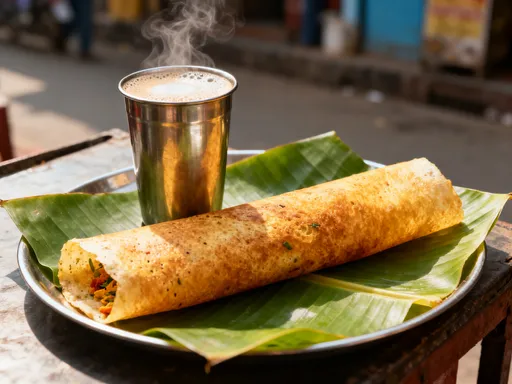
One of the most common sights is the tea shop on wheels — a wooden cart equipped with a stove, glassware, and a thermos of sweet, milky tea. These mobile kiosks serve as neighborhood gathering spots, where laborers, students, and drivers pause for a quick drink and conversation. The tea is inexpensive, usually less than 100 kyat, but it fuels countless workdays. Similarly, food carts offer hot meals at low prices — skewers of grilled meat, steamed buns, or rice balls wrapped in banana leaves. These vendors often set up near bus stops, factories, or temples, following the flow of daily activity.
Other informal traders specialize in practical services. You’ll see men selling phone charging cables or SIM cards from trays around their necks, while women offer hair braiding or shoe shining on sidewalks. Some vendors walk through residential areas calling out their wares — “ice! ice!” on hot days, or “newspapers!” in the morning. These micro-businesses require little capital but offer a vital income stream for families. Though they operate outside formal regulations, they are generally tolerated and even valued for their convenience and affordability.
This informal sector is also highly adaptable. During economic downturns or shifts in demand, vendors pivot quickly — selling masks during health crises, offering delivery services via motorbike, or using social media to promote their goods. Their resilience reflects a deep understanding of local needs and rhythms. For travelers, engaging with these vendors — buying a snack, sharing a smile, or simply observing — offers a ground-level view of Mandalay’s true economy. It’s a reminder that commerce isn’t just about grand markets or shiny malls, but about people finding ways to survive, support their families, and contribute to community life.
Navigating Commerce Like a Local: Practical Tips for Visitors
To truly connect with Mandalay’s commercial culture, a few simple practices can make all the difference. First, carry small denominations of Myanmar kyat — 500, 1,000, and 5,000 notes are most useful for market purchases. Many vendors can’t make change for 10,000 or 20,000 notes, and ATMs are not always reliable. Having small bills ensures smoother transactions and shows respect for local customs. It’s also wise to bring a reusable bag or tote, as plastic bags are increasingly discouraged, and many vendors appreciate eco-conscious shoppers.
Learning a few basic Burmese phrases enhances the experience significantly. Simple words like “bè-dee” (how much?), “thone-dee” (thank you), and “lay-see” (beautiful) can brighten interactions and build goodwill. While many vendors in tourist areas speak some English, using their language, even imperfectly, demonstrates effort and respect. If you’re unsure about prices, it’s acceptable to ask politely and compare across stalls — bargaining is common but should be done with a smile, not aggression.
Photography in markets and workshops requires sensitivity. Always ask permission before taking photos of people, especially artisans or vendors. Some gold shops and jade dealers prohibit photography entirely due to security concerns. When in doubt, a quick hand gesture or verbal check ensures you’re not overstepping. If someone declines, accept it gracefully — your respect will be remembered more than any photo.
Finally, approach shopping as an experience, not just a transaction. Take time to talk, observe, and learn. Ask how a craft is made, what a food item is called, or why a certain color is popular. These conversations enrich your understanding and create meaningful connections. By engaging mindfully with Mandalay’s commercial life, you don’t just take home souvenirs — you carry back stories, memories, and a deeper appreciation for a city where every market lane tells a human story.
Mandalay’s commercial areas are more than places to shop — they’re living stories of resilience, culture, and change. By stepping into its markets and streets, travelers don’t just see the city — they understand it. From the clatter of Zegyo Market to the quiet focus of a gold leaf artisan, from the neon glow of a modern mall to the humble tea cart on a dusty corner, each space reveals a layer of Mandalay’s identity. This is a city that honors its past while moving forward, where tradition and innovation coexist with quiet harmony. To walk through its commercial heart is to witness the pulse of daily life — raw, real, and deeply human. For any traveler seeking authenticity, connection, and beauty, Mandalay’s markets and malls offer an unforgettable journey into the soul of Myanmar.