You Won’t Believe What I Found in Sicily – A Private Escape Like No Other
Sicily isn’t just another Mediterranean island—it’s a sensory explosion. Hidden coves, ancient trails, and family-run vineyards most tourists never see. I spent two weeks living like a local, far from crowded tours. From dawn swims in turquoise coves to secret dinners in stone villages, every day felt like a discovery. This is travel stripped down to raw, authentic moments. If you're craving an escape that feels truly yours, Sicily might just be the answer.
Why Sicily? The Allure Beyond the Postcards
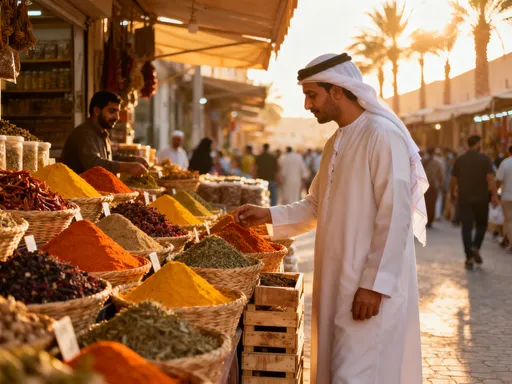
Sicily stands apart not because it is larger or more beautiful than other Mediterranean islands, but because it is deeper—layered with millennia of history, culture, and natural wonder. It is where Greek temples rise against mountain backdrops, where Arab-influenced street markets buzz with color and scent, and where Norman mosaics shimmer in sunlit cathedrals. This island has been shaped by Phoenicians, Romans, Byzantines, Arabs, Normans, and Spanish, each leaving an indelible mark. The result is a destination that feels both ancient and vibrantly alive, where tradition is not performed for tourists but lived daily by families tending olive groves, fishing at dawn, or baking bread in wood-fired ovens.
What makes Sicily especially suited to private, meaningful travel is its balance of accessibility and seclusion. While cities like Palermo and Catania offer rich cultural experiences, they are gateways to quieter regions where time moves differently. The Val di Noto, a UNESCO World Heritage site, is renowned for its baroque towns sculpted from golden limestone—Noto, Modica, and Ragusa Ibla—each perched on hills with winding alleys and intimate piazzas. These towns are popular, yet early mornings and late evenings reveal their quieter soul: a priest sweeping church steps, an old man reading the paper under a vine-covered pergola, the distant chime of bells across the valley.
Equally compelling are the island’s natural regions. The Madonie Mountains in the north offer forested trails, mountain villages like Castelbuono, and the chance to spot rare birds and wild orchids. The Aeolian Islands—Lipari, Vulcano, Salina, and Stromboli—provide volcanic landscapes, thermal springs, and a rhythm of life tied to the sea. These areas are accessible, yet remain untouched by mass tourism when visited with intention. Their small size allows travelers to experience dramatic contrasts in a single day—coastal swims, mountain hikes, village festivals—without feeling rushed. This variety, combined with a deeply rooted culture, makes Sicily ideal for those seeking not just sightseeing, but connection.
Choosing the Right Experience: Off-the-Beaten-Path vs. Classic Routes
Most travelers arrive in Sicily with Taormina at the top of their list—and for good reason. The ancient Greek theater overlooking the Ionian Sea is one of the most breathtaking sites in the Mediterranean. Yet during peak season, the town’s narrow streets teem with day-trippers, shops selling mass-produced souvenirs, and restaurants with menus designed for tourists. The experience, while beautiful, can feel curated and distant. The alternative is not to skip Taormina altogether, but to approach it differently—arriving at sunrise, when the light is soft and the air still, or visiting in the evening when the crowds have left and the town glows with warm light.
A more transformative choice is to seek out places that are less advertised but equally rich in character. Erice, a medieval hilltop town in western Sicily, offers cobbled lanes, stone towers, and panoramic views of the coast. Unlike busier destinations, Erice retains a quiet dignity. Locals still gather in the main square, children play near the castle walls, and pastry shops serve almond biscuits made from recipes passed down for generations. A morning walk here, with the scent of jasmine in the air and the sound of church bells echoing, feels like stepping into a living story.
Slow travel is the key to unlocking these moments. Staying in one place for several days allows rhythms to emerge—the fish market opening at dawn, the afternoon pause when shops close, the evening passeggiata when families stroll through town. It invites conversation. A woman arranging figs at a market stand might offer a taste; a shopkeeper might recommend a family-run trattoria down a side street. These interactions are not staged. They are part of daily life, and they become part of the traveler’s story when approached with respect and presence.
Discerning authentic experiences from those designed for tourists requires awareness. A dinner “in a local home” advertised online may be more performance than connection, especially if it’s booked through large platforms with dozens of weekly guests. True authenticity often comes through personal introductions, trusted local guides, or accommodations run by families who live in the community. The difference is felt: in the warmth of the welcome, the stories shared over wine, the food that reflects not a menu, but a way of life.
Private Moments in Nature: Coastal Coves, Volcanic Trails, and Olive Groves
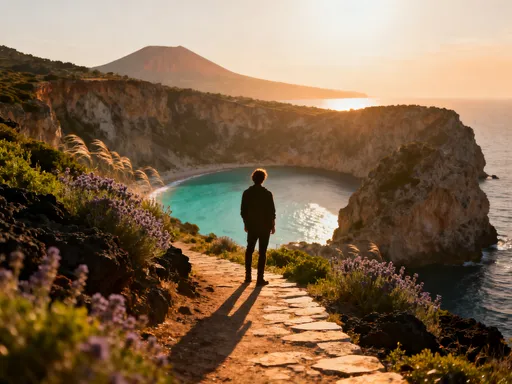
Some of the most powerful moments in Sicily happen in solitude—when the world narrows to the sound of waves, the warmth of sun on stone, or the scent of wild herbs carried on the breeze. One such place is Cala Junco, a hidden cove on the island of Marettimo, part of the Egadi Islands archipelago. Reached by a steep 45-minute hike or a small boat from the harbor, the cove opens like a secret: a turquoise pool framed by limestone cliffs, so clear that fish dart between submerged rocks. Swimming here at midday, with only a few other travelers or local families, feels like discovering a private Eden.
Equally profound is hiking on Mount Etna, Europe’s tallest and most active volcano. While many take the cable car to the upper craters, a quieter path lies on the northern slopes, less frequented but rich in geological drama. Here, trails wind through ancient lava fields, where black rock has cracked open to allow pine trees and wildflowers to grow. The air is crisp, the silence broken only by wind and the occasional call of a kestrel. Walking these trails, one feels the raw power of nature—and the humility of standing on a mountain that still breathes.
Further south, near the town of Noto, lies a different kind of landscape: endless olive groves stretching toward the sea. Biking through these groves on a quiet country road, past stone farmhouses and working mills, offers a sense of peace found nowhere in cities. The trees, some centuries old, twist skyward with silver-green leaves that shimmer in the wind. In spring, the scent of wild thyme and fennel rises from the hillsides. At noon, cicadas hum in unison, a sound so constant it becomes part of the air itself. These moments are not dramatic in the way of a volcano or a cliffside cove, but they are deeply grounding—the kind of experience that stays with you long after the trip ends.
Living Like a Local: Stays That Connect You to the Culture
Where you stay shapes how you experience a place. A luxury hotel may offer comfort, but a family-run agriturismo—a working farm that hosts guests—offers context. In Sicily, these farm stays are often set in restored stone buildings surrounded by citrus orchards, vineyards, or olive groves. Guests wake to the smell of fresh bread baking, join the family at meals made from ingredients harvested that morning, and learn the rhythms of rural life. One such stay in the hills above Modica allowed me to help gather eggs at dawn, press olives in November, and taste wine still fermenting in clay jars.
Equally immersive are village apartments in historic towns like Ragusa Ibla or Cefalù. Booked through trusted hosts rather than large platforms, these homes often come with personal welcomes—keys handed over by a neighbor, a basket of local fruit on the table, a handwritten note with tips for the week. Living in a residential neighborhood, rather than a tourist quarter, changes everything. You shop at the same market, greet the baker by name, and hear music drifting from a church rehearsal. The town is no longer a backdrop, but a living community you are briefly part of.
Some of the most meaningful moments happen in these settings. I recall sitting with an elderly woman in Modica as she taught me to roll fresh pasta by hand, her hands moving with the ease of decades. We spoke little, but the act of cooking together—flour on the table, dough under our fingers—created a bond that words could not. Another evening, I was invited to join a grape harvest at a small vineyard near Noto. After hours of picking, we ate under a pergola: grilled sardines, tomatoes still warm from the sun, and wine from the very vines we had worked. These are not activities one can book online. They arise from presence, openness, and time.
The Taste of Authenticity: Meals That Tell a Story
In Sicily, food is not just sustenance—it is memory, identity, and hospitality. While restaurants offer delicious meals, the most authentic experiences often happen outside them. One morning, after a boat trip with a local fisherman near Marzamemi, I was invited to his home for lunch. His wife, wearing a faded cotton dress and a wide-brimmed hat, served a simple meal under a shaded courtyard: caponata made with eggplant from their garden, fresh ricotta drizzled with wildflower honey, and lemon granita that tasted like sunlight. There was no menu, no price, only generosity.
These meals are intimate not because they are elaborate, but because they are tied to place and people. The fish was caught that morning. The vegetables were harvested hours earlier. The wine came from a relative’s vineyard. Everything had a story. Even street food carries meaning. A panela sandwich in Palermo, filled with fried fish and sharp escarola, is a taste of the city’s maritime history. A cannolo in Noto, its shell crisp and sweet, filled with ricotta so fresh it melts, reflects centuries of monastic baking traditions.
Seasonality deepens the connection. In spring, wild fennel appears in pasta and fish dishes, its anise scent sharp and green. In summer, prickly pear cactus fruit—bright magenta and sweet—appears at markets and roadside stands. In autumn, mushrooms forage from the Madonie forests, and chestnuts roast in village squares. Timing a visit to align with these rhythms enhances the experience. A September trip means fresh grapes and new wine; a May visit brings wild asparagus and artichokes. Eating with the seasons is not just a culinary choice—it is a way of tuning into the island’s natural calendar.
Getting Around: Flexibility as Freedom
To experience Sicily deeply, movement must be intentional. Public transportation exists—trains connect major cities, and regional buses serve smaller towns—but schedules can be limited, especially in rural areas. For true freedom, renting a car is often the best choice. It allows detours down unpaved roads to hidden beaches, stops at roadside fruit stands, and visits to villages not listed in guidebooks. The act of driving itself becomes part of the journey: winding coastal roads with views of the Tyrrhenian Sea, mountain passes lined with wildflowers, sunlit plains dotted with windmills.
That said, even without a car, meaningful travel is possible. Local buses, while slow, offer unexpected encounters. I once shared a ride from Catania to Cefalù with an elderly woman who offered me slices of orange from her bag and pointed out a hidden chapel along the way. Ferries between the mainland and the Aeolian Islands are another way to travel with purpose. Boarding early avoids crowds, and the hour-long crossing offers time to watch dolphins, sketch the coastline, or chat with a fisherman returning home.
Smart timing enhances any mode of transport. Leaving at dawn means empty roads and cool air. Visiting popular sites like the Valley of the Temples in Agrigento at opening time allows a peaceful walk among the ruins, with only a few other early risers. Avoiding high-traffic routes—such as the coastal highway near Taormina during midday—preserves the calm of the journey. The goal is not speed, but presence. Each leg of the trip, whether by car, train, or boat, becomes a space for observation, reflection, and connection.
Putting It All Together: Planning Your Own Sicilian Escape
Planning a private Sicilian escape does not require a rigid itinerary, but it does benefit from thoughtful structure. Start by choosing a base—a quiet coastal town, a mountain village, or a countryside agriturismo—where you can stay for several days. This becomes your anchor, a place to return to as you explore. From there, add day trips: a visit to a nearby archaeological site, a hike in a regional park, a market day in a neighboring town. Include one or two major cultural highlights, such as the Greek theater in Syracuse or the baroque towns of Noto, but allow time to absorb them, not just photograph them.
Leave room for spontaneity. Some of the best moments cannot be planned: a conversation with a local artist in a small gallery, an invitation to a village sagra (food festival), a detour for granita at a stand run by a family for three generations. These are the experiences that define a trip. They arise from openness, curiosity, and the willingness to slow down.
Consider the pace. A two-week trip with three or four base locations allows variety without exhaustion. Spend four days in a coastal town like Marzamemi, three in the hills of Val di Noto, two on Salina in the Aeolian Islands, and the rest in a mix of cities and villages. This rhythm balances exploration with rest, discovery with reflection. Pack lightly, bring comfortable shoes, and carry a small notebook to record moments—a phrase overheard, a view at sunset, the name of a dish you loved.
Most importantly, approach the journey with humility and respect. Sicily is not a stage set. It is a living place with its own rhythms, challenges, and pride. Greet people with a simple "buongiorno," learn a few words of Italian, and listen more than you speak. When you do, you’ll find that the island reveals itself not in grand gestures, but in quiet moments—a shared smile, a plate of food offered freely, a path that leads to a view no photograph can capture.
Conclusion: Why Personal Travel Matters
Sicily, when experienced with intention, has the power to change how we think about travel. It reminds us that the best journeys are not measured in miles or landmarks, but in moments of connection—between people, places, and ourselves. In a world where destinations are often crowded, commodified, and rushed, Sicily offers an alternative: a chance to travel slowly, deeply, and authentically.
A private escape here is not about luxury or exclusivity. It is about presence. It is the feeling of swimming in a hidden cove at dawn, of sharing a meal with a family who treats you like kin, of walking ancient streets when the world is still asleep. These are not experiences that can be mass-produced. They happen because you took the time, made the effort, and opened yourself to what the island offers.
In the end, Sicily does not give up its secrets to everyone. But for those who seek not just to see, but to feel, it offers a journey that feels, in the truest sense, like it was made just for you.