You Won’t Believe These Hidden Layers of Lahore
Lahore isn’t just a city—it’s a living maze of old-world charm and modern energy. I walked through its districts, from the bustling Walled City to quiet residential corners, and realized: each neighborhood tells a different story. The scent of street food, the echo of history in ancient gates, the vibrant street art in up-and-coming areas—it all adds up to something deeper than any tourist guide shows. This is Lahore beyond the postcards, raw and real.
The Heartbeat of History: Inside Lahore’s Walled City
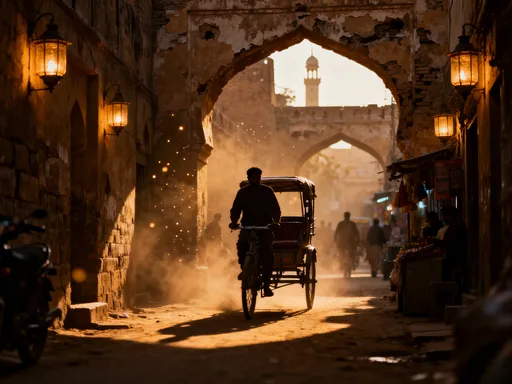
Enclosed by crumbling yet majestic walls, the Walled City of Lahore stands as the historic nucleus of the metropolis. Dating back to the 13th century, this district once served as the fortified core of a growing Mughal capital. Thirteen original gates—such as Delhi Gate, Lahore Gate, and Bhati Gate—once controlled entry into the city, each a sentinel of a different trade route and cultural exchange. Today, only a few of these gates remain, but they still mark transitions into a world where time moves differently. The lanes within are narrow, often shaded by overhanging homes, and echo with the rhythmic clatter of wooden cart wheels and the occasional call to prayer from neighborhood mosques.
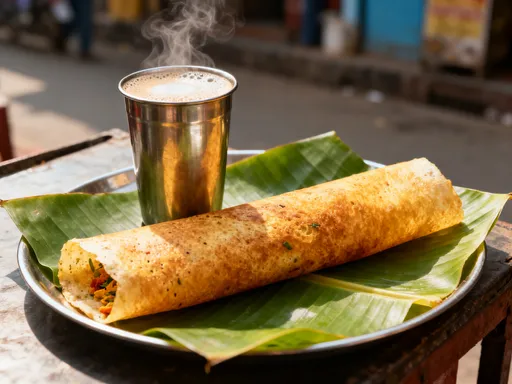
Life in the Walled City pulses with an intimate intensity. Families gather on rooftops in the evenings, children weave through crowds on bicycles, and generations of artisans continue age-old crafts in tiny workshops. The air carries a rich blend of scents—charred meat from roadside grills, warm halwa puri served on banana leaves, and the earthy aroma of aged brick after a summer rain. Visitors might come for the monuments, but they stay for the sensory immersion. The Badshahi Mosque, with its vast red sandstone courtyard and soaring minarets, draws thousands daily, not only as a place of worship but as a symbol of Lahore’s enduring grandeur.
Preservation efforts in the Walled City have gained momentum in recent years, led by public-private partnerships aiming to restore historic buildings without displacing residents. Projects like the restoration of the Wazir Khan Mosque and the development of pedestrian-friendly zones reflect a growing awareness that heritage conservation must be inclusive. These initiatives recognize that the soul of the Walled City lies not just in its architecture, but in the daily lives of those who inhabit it. Understanding this district is essential to grasping Lahore’s identity—a city that honors its past while navigating the demands of modern urban life.
From Mughal Grandeur to Modern Gaze: The Shalimar Gardens and Their Surroundings
Just a few kilometers east of the Walled City lies one of South Asia’s most iconic Mughal gardens—Shalimar Gardens. Built in 1641 by Emperor Shah Jahan, the same ruler behind the Taj Mahal, this terraced paradise was designed as a place of leisure and royal retreat. Its three-tiered layout symbolizes the Islamic concept of paradise, with flowing water channels, fountains, and carefully aligned trees creating a sense of harmony and balance. At its peak, the garden hosted elaborate court gatherings, poetic recitations, and musical performances beneath shaded pavilions.
Today, the Shalimar Gardens remain a cherished public space, though their usage has evolved. Families picnic on the grassy terraces, couples stroll along the central waterway, and school groups follow guides through the restored baradaris (pavilions). While the original fountains no longer operate with the same hydraulic sophistication, conservation teams have worked to maintain the garden’s structural integrity and aesthetic grace. Seasonal flowerbeds add bursts of color, and the site is especially popular during spring festivals and national holidays.
The surrounding district has grown significantly, with residential neighborhoods and commercial strips expanding around the historic site. This growth presents both opportunities and challenges. On one hand, increased accessibility allows more citizens to enjoy the gardens. On the other, urban pressure threatens green spaces and historical buffers. Local authorities have introduced timed entry systems and visitor caps during peak seasons to manage crowds, while community programs encourage stewardship among nearby residents. The Shalimar Gardens, once a symbol of imperial power, now serve as a shared civic treasure—a reminder that heritage spaces must adapt to remain relevant in contemporary life.
What makes the Shalimar Gardens particularly meaningful is their role in connecting people to nature and history simultaneously. Unlike museums or monuments viewed from a distance, the gardens invite interaction. Children splash in shallow pools, elders meditate under chinar trees, and photographers capture golden-hour light filtering through archways. This active engagement ensures that the site remains alive, not frozen in time. For visitors, a walk through the gardens offers not just a glimpse into Mughal aesthetics, but a quiet moment of reflection in a fast-moving city.
Anarkali: Where Time Stands in Layers
Anarkali Bazaar is more than a marketplace—it is a living archive of Lahore’s layered history. Believed to be one of the oldest surviving markets in the Indian subcontinent, its name evokes legend, possibly linked to a courtesan from the Mughal era whose tragic love story became folklore. Whether myth or memory, the name adds to the area’s mystique. Today, Anarkali thrives as a bustling commercial hub where colonial-era buildings stand shoulder-to-shoulder with neon-lit shops and sidewalk vendors. The district pulses with energy from dawn until late evening, drawing locals shopping for clothing, books, spices, and electronics, as well as tourists seeking authentic urban experiences.
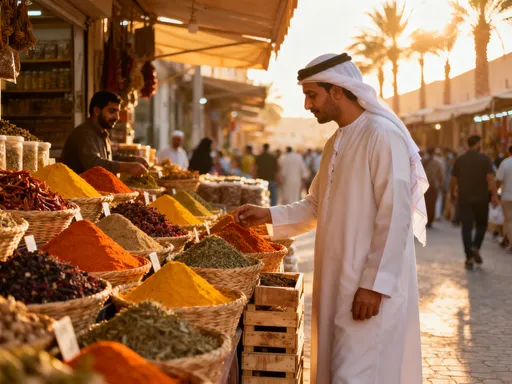
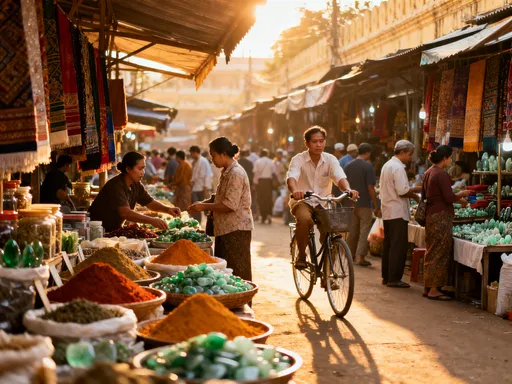
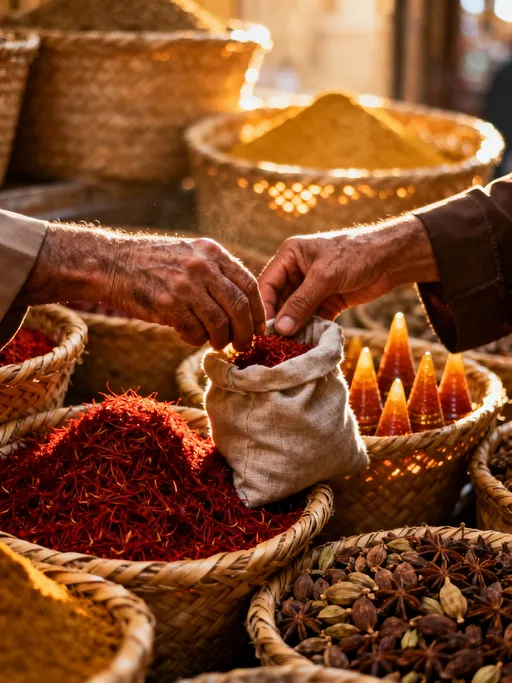
The sensory richness of Anarkali is unmatched. Narrow alleys overflow with colorful fabrics, the sizzle of tawa breads on open grills fills the air, and the rhythmic tapping of cobbler hammers echoes from tiny repair stalls. Secondhand bookstores line certain blocks, their shelves crammed with Urdu poetry, vintage textbooks, and dog-eared novels. These shops attract students, scholars, and nostalgic readers, preserving a culture of print in an increasingly digital world. Meanwhile, food streets tucked within side lanes serve regional specialties—from Multani sohan halwa to spicy nihari—drawing crowds willing to wait in line for a taste of tradition.
What sets Anarkali apart is its organic continuity. Unlike sanitized heritage zones, this district has evolved without losing its character. There is no master-planned renovation here; instead, change happens incrementally, driven by shopkeepers, homeowners, and community networks. This resilience comes with challenges, including traffic congestion, inadequate waste management, and aging infrastructure. Preservationists advocate for adaptive reuse of colonial buildings, suggesting that historic facades be maintained while interiors are updated for modern use. Some pilot projects have converted old homes into boutique guesthouses and cultural cafes, blending conservation with economic vitality.
For the discerning traveler, Anarkali offers a rare authenticity. It is not staged for tourism but lived in daily. To walk its streets is to witness Lahore’s enduring spirit—pragmatic, creative, and deeply rooted in community. The district reminds us that cities are not just collections of monuments, but ecosystems of human activity. In Anarkali, history isn’t behind glass—it’s in the hands of a tailor threading a needle, the voice of a vendor calling out prices, and the laughter of friends sharing tea at a roadside stall.
Gulberg and Model Town: The Pulse of Middle-Class Lahore
If the Walled City represents Lahore’s historical heart and Anarkali its commercial soul, then Gulberg and Model Town embody its modern rhythm. Developed in the decades following Pakistan’s independence in 1947, these planned neighborhoods were designed to accommodate a growing middle class seeking orderly, accessible living environments. Inspired by garden city principles, they feature wide tree-lined avenues, designated residential blocks, and centralized commercial zones. Today, they remain among the most desirable areas to live, work, and socialize in Lahore.
Gulberg, in particular, has become synonymous with urban convenience. Its bustling Main Boulevard hosts international café chains, local bakeries, and multiplex cinemas, creating a cosmopolitan atmosphere. Weekend markets attract families looking for fresh produce, handmade crafts, and children’s activities. Meanwhile, Model Town, one of the earliest planned communities in the country, retains a quieter, more residential feel. Its well-maintained parks, community centers, and cooperative housing societies reflect a strong tradition of civic participation and neighborhood solidarity.
These districts play a crucial role in shaping contemporary Lahori lifestyles. They are where young professionals gather after work, where mothers take children to playgroups, and where elders enjoy morning walks in green spaces. Educational institutions, healthcare clinics, and religious centers are integrated into the urban fabric, making daily life efficient and connected. The presence of co-working spaces and digital freelancing hubs also highlights how these areas are adapting to new economic realities.
The legacy of post-partition urban planning is evident in the layout and functionality of Gulberg and Model Town. Unlike the organic growth of older districts, these neighborhoods were built with foresight—zoning laws, drainage systems, and public amenities were part of the original design. While expansion has led to some density challenges, the underlying structure remains resilient. These areas reflect the aspirations of a generation that valued stability, education, and upward mobility. For many families, living in Gulberg or Model Town is not just about convenience—it’s a marker of achievement and belonging.
Defense and Bahria Town: Gated Living and Urban Aspirations
In recent decades, Lahore has seen the rise of large-scale, master-planned communities such as Defense Housing Authority (DHA) and Bahria Town. These neighborhoods cater to upper-middle and affluent families seeking enhanced security, modern infrastructure, and premium amenities. Characterized by gated entrances, landscaped avenues, and strict building codes, they represent a shift toward privatized urban living. DHA, established in the 1980s, was originally intended for military personnel and civil servants but has since expanded into a sought-after residential zone for professionals and business owners.
Bahria Town, one of the largest private real estate developments in Asia, takes this model further with themed sectors, recreational clubs, and even miniature replicas of global landmarks. Its scale is impressive—spanning thousands of acres with schools, hospitals, shopping malls, and golf courses. These communities offer a high standard of living, with reliable electricity, clean water, and well-maintained roads—amenities that remain inconsistent in other parts of the city.
The growth of such neighborhoods reflects broader socioeconomic trends. As urban populations increase and public services strain, many families view gated communities as a practical solution. They provide not just comfort, but predictability in an unpredictable environment. However, this trend also raises questions about urban equity and spatial segregation. While DHA and Bahria Town offer excellent living conditions, their exclusivity can deepen divides between different income groups. Public transportation access remains limited, encouraging car dependency and contributing to traffic congestion on connecting roads.
Despite these concerns, the popularity of these areas underscores a deep-seated aspiration for safety, order, and quality of life. They influence real estate trends across Lahore, pushing developers to adopt better design standards and management practices. Some newer projects outside these zones now incorporate similar features—security gates, green spaces, and community centers—suggesting that lessons from gated living are filtering into broader urban development. The challenge lies in ensuring that progress benefits all citizens, not just a privileged few.
The Creative Turn: Emerging Hubs in Rabwah and Township
Beyond Lahore’s well-known districts, quieter transformations are taking place in areas like Rabwah and Township. Often overlooked by tourists and mainstream media, these neighborhoods are becoming incubators for grassroots creativity. In Rabwah, a close-knit community with a strong emphasis on education and the arts has nurtured literary circles, music ensembles, and youth theater groups. Local libraries host poetry readings, and community halls regularly feature performances by emerging singers and instrumentalists.
Township, another residential zone on the city’s outskirts, has seen a surge in youth-driven initiatives. Independent art collectives organize pop-up exhibitions in vacant lots, turning unused spaces into galleries. Local designers host fashion bazaars showcasing handmade textiles, and musicians record tracks in home studios, distributing their work through digital platforms. These activities are not supported by large institutions but thrive through collaboration, passion, and word-of-mouth networks.
What makes these creative movements significant is their organic nature. Unlike state-sponsored cultural programs, they emerge from within communities, responding to local interests and needs. A theater group in Rabwah might adapt classical Urdu plays to reflect contemporary social themes, while a Township-based band could blend traditional Sufi melodies with modern rhythms. These expressions are not performative for outsiders—they are authentic acts of identity and belonging.
These emerging hubs also challenge the notion that culture only flourishes in city centers. They demonstrate that creativity can thrive anywhere there is curiosity and connection. For visitors willing to venture beyond the usual routes, these districts offer rare insights into Lahore’s evolving cultural landscape. Supporting such initiatives—by attending events, purchasing local art, or simply listening to stories—contributes to a more inclusive and dynamic city.
Navigating Lahore: Practical Insights for Meaningful Exploration
Exploring Lahore’s diverse districts requires more than a map—it demands curiosity, respect, and thoughtful planning. The city’s size and complexity can be overwhelming, but with the right approach, moving between neighborhoods becomes part of the experience. Ride-sharing apps like Careem and Uber are widely available and offer safe, air-conditioned transport across districts. For shorter distances, local vans known as “tuc-tucs” or “chand gah” provide an affordable, if bumpy, alternative. Buses operate on major routes, though schedules can be irregular. Walking is ideal in pedestrian-friendly zones like parts of Anarkali or the restored lanes near Wazir Khan Mosque, but caution is advised during peak traffic hours.
Timing matters. The best hours to visit outdoor sites like Shalimar Gardens or the Walled City are early morning or late afternoon, when temperatures are milder and crowds thinner. Markets such as Anarkali and Liberty are liveliest in the evening, when families come out to shop and eat. Religious sites may have restricted access during prayer times, so planning visits around these schedules shows consideration. Dressing modestly, especially when entering mosques or residential areas, is a simple way to show respect for local customs.
Language can enhance connection. While English is understood in commercial areas, learning a few basic Urdu phrases—such as “Assalam-u-alaikum” (peace be upon you), “Shukriya” (thank you), and “Kitna hai?” (How much is it?)—goes a long way in building rapport. Vendors and locals often respond warmly to visitors who make the effort. Engaging in conversation, even briefly, can lead to unexpected invitations or recommendations that aren’t found in guidebooks.
Supporting the local economy is both ethical and enriching. Opting for family-run restaurants, buying crafts directly from artisans, and staying in locally owned guesthouses ensures that tourism benefits the community. Avoiding single-use plastics and disposing of waste responsibly helps preserve Lahore’s heritage spaces for future generations. Most importantly, approaching the city with humility and openness allows for deeper, more meaningful experiences. Lahore is not a checklist of sights to conquer, but a mosaic of lived realities. To truly see it, one must slow down, listen, and engage—one conversation, one meal, one quiet moment at a time.