You Won't Believe What I Ate in Mysore
Mysore isn’t just palaces and yoga—it’s a food lover’s dream come true. I went expecting silk and temples, but left obsessed with dosas that melted in my mouth and filter coffee so rich it woke up my soul. From bustling street carts to quiet family-run joints, every bite told a story. This is real, unfiltered South Indian flavor—honest, hot, and totally unforgettable. It’s not just about taste; it’s about connection, tradition, and the quiet pride of a culture that serves its heritage on a plate. In Mysore, food isn’t performance—it’s daily devotion, passed from hand to hand, generation to generation.
Arrival in Mysore: First Bites and Bold Flavors
The moment I stepped off the train at Mysuru Railway Station, the city wrapped around me like a warm, spice-scented embrace. The air carried a symphony of aromas—roasting cumin, caramelizing onions, the nutty richness of ghee browning on a hot griddle. I had planned to check into my hotel first, freshen up, maybe rest after the journey. But the pull of hunger, sharp and insistent, redirected my steps. I followed the stream of locals moving toward a cluster of roadside stalls just outside the station, where flames danced under wide, blackened tawas and steam rose in delicate curls from stacked idli plates.
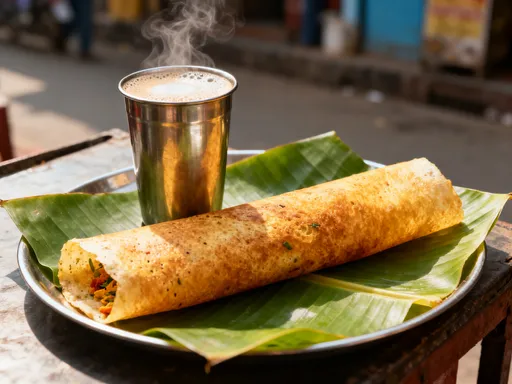
One stall, no wider than a closet, drew me in. A man in a crisp white shirt and apron—what I’d later learn to call a ‘dosa uncle’—flipped a golden crepe with the calm precision of a seasoned artist. I pointed, smiled, and within minutes, a steaming masala dosa arrived on a banana leaf. The crisp edges shattered slightly under my fingers, giving way to a soft, pillowy center. Inside, spiced potatoes tumbled out, fragrant with mustard seeds, curry leaves, and turmeric. A swipe of coconut chutney added creaminess, while the tangy punch of tomato chutney woke up my palate. Each bite was a balance of textures and temperatures—crisp, soft, hot, cool, creamy, sharp. It was more than a meal. It was a welcome.
Then came the coffee. Served in a stainless steel tumbler and saucer, the brew was dark, frothy, and poured from a height to cool it just enough. The first sip was a revelation—bold, slightly bitter, deeply aromatic, with a milky sweetness that lingered. The vendor smiled as I exhaled in satisfaction. That simple act—sharing a meal with a stranger in the morning light—set the tone for my entire stay. Mysore doesn’t impress with grandeur. It wins hearts through authenticity, one humble bite at a time.
The Soul of Mysore: Why Food Here Feels Different
What makes Mysore’s food so deeply resonant isn’t just the ingredients or the recipes—it’s the philosophy behind them. Meals here aren’t rushed transactions. They are rituals, often eaten slowly, seated on the floor, served on fresh banana leaves that lend a subtle earthy aroma to everything they carry. This tradition, still widely practiced in homes and traditional eateries, connects diners to the land and to generations past. The banana leaf isn’t just eco-friendly; it’s symbolic—a reminder that food is part of a larger cycle, meant to be shared, not hidden in plastic containers.
The flavors of Mysore are built on patience and precision. Lentils are roasted before grinding to deepen their nuttiness. Coconut is freshly grated, not extracted from a jar. Spices are tempered in ghee or oil, releasing their essential oils in a process called ‘tadka’ or ‘oggarane,’ which transforms simple ingredients into something complex and layered. There’s no reliance on artificial flavor enhancers or processed shortcuts. What you taste is what’s real—seasonal vegetables, native grains, and herbs grown in nearby fields.
Historically, Mysore’s culinary identity was shaped by the royal Wodeyar dynasty, whose kitchens were known for refinement and elegance. But unlike other royal cuisines that became elaborate and exclusive, Mysore’s food retained its village roots. The palace influenced the presentation and certain dishes, but the soul of the cuisine remained accessible, humble, and deeply communal. Even today, the same recipes that once fed kings are enjoyed by schoolchildren, shopkeepers, and grandparents at home. This blending of regal heritage with everyday life gives Mysore’s food a rare duality—refined yet grounded, elegant yet unpretentious.
Another reason the food feels different is its regional specificity. Mysore sits in the southern part of Karnataka, where the climate supports the cultivation of millets, ragi (finger millet), and a wide variety of lentils. These staples form the backbone of the local diet. Unlike the coconut-heavy cuisines of coastal Karnataka or the wheat-based meals of the north, Mysore’s food is built on rice, millets, and lentils, seasoned with mustard, cumin, fenugreek, and curry leaves. The result is a cuisine that feels nourishing, not overwhelming—a balance of warmth, spice, and comfort that settles deep in the body.
Street Food Adventures: Where Locals Really Eat
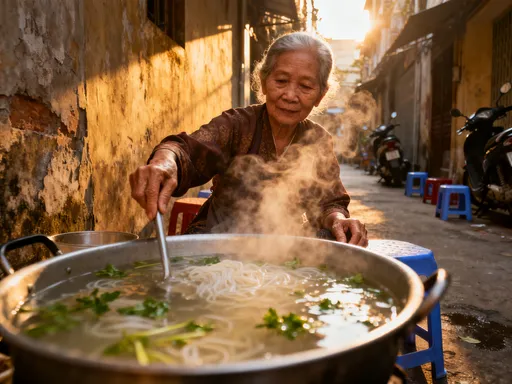
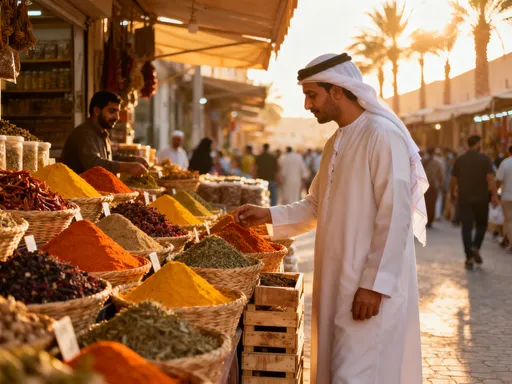
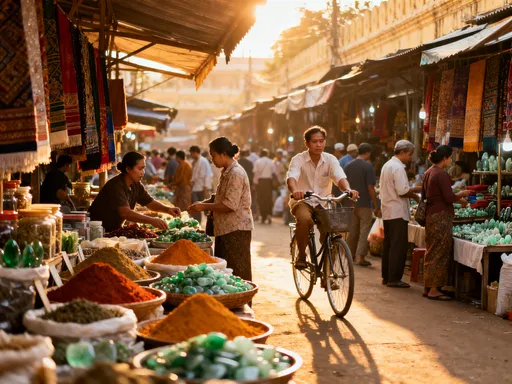
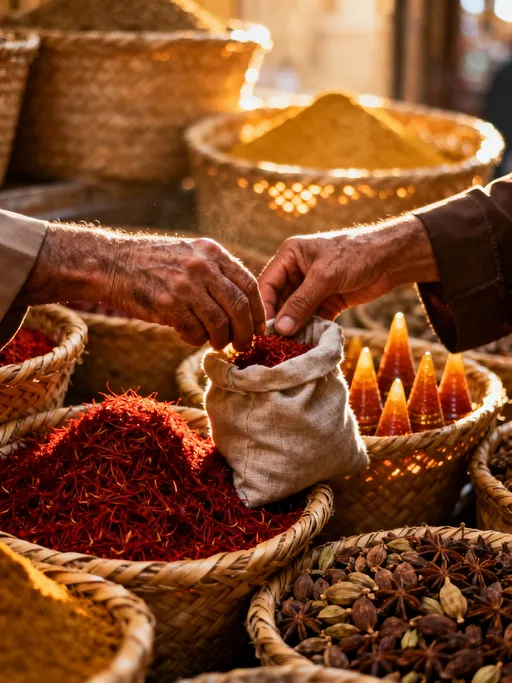
To understand Mysore’s food culture, one must wander through Devaraja Market—a vibrant, centuries-old marketplace that pulses with life from dawn till dusk. This isn’t a tourist-facing bazaar with souvenirs and trinkets. It’s where Mysore cooks, families, and workers shop for their daily needs. The market is a feast for the senses: pyramids of turmeric, red chilies, and coriander seeds rise like spice mountains; baskets overflow with jackfruit, plantains, and jasmine garlands; and the air hums with the chatter of bargaining, the sizzle of oil, and the clink of metal plates.
Along the narrow lanes, food stalls operate like well-oiled machines. One corner specializes in jolada rotti—unleavened flatbreads made from sorghum flour, served with spicy red chutney and a dollop of ghee. The bread is firm yet pliable, its earthy flavor cutting through the heat of the chutney. Office workers line up at 8 a.m. for a quick, filling breakfast that fuels them through the morning. Nearby, a vendor scoops puffed rice into bowls, mixing in onions, lemon juice, green chilies, and crushed peanuts. This simple snack, known as ‘bhelpuri’ or ‘sattu,’ is crunchy, tangy, and refreshingly light—perfect for the warm climate.
Another favorite is obbattu, a sweet flatbread stuffed with a mixture of jaggery and coconut. Cooked on a griddle with ghee, it turns golden and slightly crisp on the outside, while the filling melts into a sticky, fragrant syrup. I watched an elderly woman prepare them by hand, her fingers moving with practiced ease. She handed me one warm, wrapped in a banana leaf. The first bite was pure comfort—sweet but not cloying, rich but not heavy. It tasted like something made for love, not profit.
And then there are the vadas—deep-fried lentil donuts that are crisp on the outside and airy within. At a popular stall near the market’s entrance, they’re served piping hot with sambar and coconut chutney. I took one bite and immediately needed to fan my mouth—the chilies were no joke. But the heat faded into a pleasant warmth, and the texture was so satisfying I went back for a second. These aren’t gourmet creations. They’re everyday food, made fresh, sold fast, and eaten with joy. Eating here, surrounded by locals going about their lives, I didn’t feel like a visitor. I felt included, part of the rhythm of the city.
Beyond Dosa: Hidden Dishes Most Visitors Miss
While the masala dosa may be Mysore’s most famous export, the city’s culinary treasures go far beyond the golden crepe. One of the most surprising discoveries was ragi mudde—steamed balls made from finger millet flour. At first glance, they look like pale, doughy lumps, unassuming and plain. But when dipped into spicy saaru (a thin, lentil-based curry with tamarind and chilies), they transform. The mudde absorbs the broth, softening while retaining a slight chew, creating a satisfying contrast of textures. It’s a staple in rural Karnataka and still commonly eaten in homes across Mysore, especially at lunch.
Ragi is a nutritional powerhouse—high in calcium, fiber, and iron—and its use reflects a deep-rooted understanding of functional food. This isn’t diet culture as we know it in the West; it’s centuries-old wisdom passed down through farming communities. Eating ragi mudde felt like participating in a tradition of nourishment that values health as much as taste. It’s not flashy, but it’s deeply grounding—both physically and culturally.
Another lesser-known delight is benne dose, a variation of the regular dosa made with generous amounts of white butter (benne). Found mostly in specific neighborhoods and old-school eateries, this dosa is thicker, richer, and more indulgent than its cousin. The butter seeps into the crepe, giving it a golden sheen and a luxurious mouthfeel. It’s often served with a side of spicy coconut chutney and a small bowl of sambar. I had mine at a tiny restaurant near Chamundi Hill, where the owner insisted I try it ‘the local way’—tearing off pieces with my right hand and dipping them directly into the chutney. It was messy, intimate, and utterly delicious.
And then there’s Mysore pak, a sweet so beloved it shares the city’s name. While many tourists buy it from famous sweet shops like Gopalaswamy or Ganga, the best version I had was homemade. A local family invited me for tea, and the grandmother brought out a fresh batch—warm, slightly grainy, and glistening with ghee. It was denser and less sweet than the commercial version, with a texture that crumbled just right. She explained that real Mysore pak uses only gram flour, ghee, and sugar, cooked slowly until it pulls away from the pan. The process takes time and attention—no shortcuts. That evening, eating pak under a ceiling fan, listening to stories in broken English and Kannada, I understood: the best food in Mysore isn’t found in guidebooks. It’s shared.
Filter Coffee Culture: More Than Just a Drink
In Mysore, coffee is not a morning pick-me-up. It’s a social ritual, a marker of time, and a gesture of hospitality. The local version, known as ‘kapi,’ is made using a traditional metal filter—a two-part device where dark, finely ground coffee is steeped in hot water, then mixed with hot milk and sugar in a tumbler. The barista, often at a roadside stall or family-run café, pours it from one vessel to another, raising the stream high to cool it and create a light froth. This ‘pouring from height’ isn’t just theatrical—it aerates the coffee, blending the decoction and milk perfectly.
I visited a small café near Sayyaji Rao Road at 6:30 a.m. and found it already full. Men sat on plastic stools, reading newspapers, debating cricket, and discussing local politics—all with a tumbler in hand. I ordered one and watched the process: coarse coffee powder packed into the upper chamber, boiling water poured over it, the slow drip into the lower container. Then, hot milk was added, sugar stirred in, and the mixture poured back and forth between tumbler and saucer until it cooled to the perfect temperature. The first sip was strong, aromatic, and creamy—a far cry from the weak, sugary instant coffee I’d had back home.
What surprised me most was the pace. No one rushed. People lingered for 30 minutes or more, sipping slowly, talking, laughing. The café wasn’t just a place to drink coffee. It was a community hub, a third space between home and work. I tried to recreate the experience at home—buying a filter, sourcing Indian dark roast, heating the milk just right. But it never tasted the same. Some things, I realized, are tied to place—the rhythm of the city, the morning light, the sound of Kannada being spoken around you. In Mysore, coffee isn’t just a beverage. It’s a moment of pause, a connection to people, a daily act of belonging.
Dining Etiquette and Practical Tips for Food Travelers
Eating in Mysore is as much about how you eat as what you eat. In traditional settings, especially in homes and older restaurants, meals are served on banana leaves and eaten with the right hand. This isn’t just cultural—it’s sensory. Touching the food helps you gauge temperature and texture, and the act of mixing rice with sambar or chutney by hand creates a personal, intimate experience. I was initially hesitant, worried about manners, but my hosts encouraged me: ‘Use your fingers. It tastes better this way.’ And they were right. The food felt more alive, more connected.
There are a few unspoken rules to keep in mind. Always use your right hand—left is considered unclean in many traditional contexts. Don’t mix certain items unless served together; for example, avoid putting chutney directly on rice unless it’s part of the dish. And when the meal is over, folding the banana leaf toward you signals you’ve finished. Folding it away is said to bring bad luck—a small superstition, but locals appreciate the respect.
For street food, cash is king. While digital payments are growing, most small vendors operate on coins and bills. Bring small denominations. Hygiene is generally good at busy stalls—high turnover means fresh batches and clean surfaces. Look for places with a steady flow of locals; if office workers line up every day, you’re in good hands. Avoid overly touristy spots near major attractions; they often compromise on authenticity.
Timing matters. Idlis, dosas, and vadas are best in the morning and early afternoon, when they’re made fresh. Snacks like puffed rice and bondas are popular in the late afternoon. Many traditional eateries close by 9 p.m., so plan dinner accordingly. And don’t skip breakfast—some of the best meals happen before 9 a.m. Finally, don’t be afraid to point, smile, and say ‘sphoorthi’ when something tastes amazing. It means ‘delicious,’ and it always earns a proud grin from the cook.
Why Mysore’s Food Stays With You Long After You Leave
Months after returning home, I still dream about that first masala dosa—the crunch, the steam, the burst of flavor. But it’s not just the taste I miss. It’s the feeling. Mysore’s food doesn’t serve perfection. It serves presence. Every meal I had felt intentional, made with care, shared with warmth. There was no performative plating, no Instagram chasing. Just real food, real people, real moments.
What lingers isn’t the spice or the sweetness—it’s the rhythm. The way a dosa uncle flips crepes without looking. The way a grandmother stirs Mysore pak with slow, deliberate movements. The way strangers offer a banana leaf plate as if you’ve always belonged. This city doesn’t sell experiences. It offers inclusion. And that’s rare.
In a world where food travel often means chasing trends, Mysore reminds us of something deeper. It’s not about the most expensive meal or the rarest ingredient. It’s about connection—between people, between generations, between past and present. The food here doesn’t shout. It whispers. And if you listen, it tells stories of home, of heritage, of heart.
So if you go, don’t just eat. Sit. Slow down. Use your hands. Let the coffee cool as it’s poured from height. Let a stranger call you ‘beta’ or ‘akka.’ Let the flavors sink in, not just on your tongue, but in your memory. Because Mysore doesn’t just feed your stomach. It feeds your soul. And once you’ve tasted that, no other meal feels quite the same.