Why Hamburg’s Natural Escapes Are a Cultural Revelation
You know what I didn’t expect from Hamburg? That its green lungs would tell the story of German life so vividly. Beyond the harbor and city buzz, I discovered how locals truly live — through parks, rivers, and lakes that shape their culture. This isn’t just scenery; it’s a way of life. The Alster, Elbe, and hidden woodlands aren’t just natural areas — they’re where tradition, leisure, and identity blend. Let me show you the Hamburg most tourists miss. What unfolds is not a curated postcard but a lived-in reality, where nature is not preserved behind glass but embraced in daily routines, weekend rituals, and quiet morning moments. This is a city where waterways are highways of connection, parks double as living rooms, and the rhythm of the seasons guides social life. To understand Hamburg, one must step beyond museums and markets and into its green and blue heart.
The Rhythm of Water: Hamburg’s Rivers as Cultural Arteries
Hamburg is, at its core, a city shaped by water. The Elbe and Alster rivers are not merely geographical features; they are the city’s cultural arteries, pulsing with activity and meaning. The Elbe, broad and powerful, connects Hamburg to the North Sea and the wider world. It is the reason the city exists — a historic trade gateway that continues to serve as Europe’s third-largest port. Yet, for residents, the Elbe is not just an industrial corridor. It is a place of retreat, of reflection, and of recreation. Along its banks, people walk, cycle, and gather on summer evenings, drawn to the water’s edge as if to a shared living room.
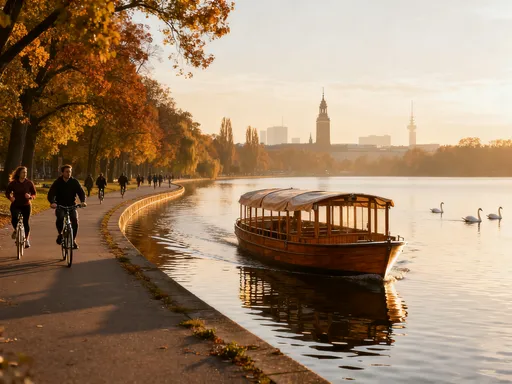
The Alster, in contrast, is more intimate. Flowing through the heart of the city, it splits into the Binnenalster and Aussenalster, two lake-like expanses that anchor Hamburg’s urban center. The Binnenalster, surrounded by grand buildings and bridges, offers a postcard-perfect view, but it is the Aussenalster that truly captures the spirit of local life. Here, Hamburgers sail, row, and paddle every weekend, continuing a tradition that dates back over a century. The sight of white-sailed Alsterjollen — traditional wooden boats — gliding across the calm water is not a tourist spectacle but a regular rhythm of life. Many families belong to sailing clubs, and children learn to navigate the Alster as part of growing up.
What makes this river culture unique is its accessibility. Unlike in many port cities where waterfronts are restricted or privatized, Hamburg has long prioritized public access. The St. Pauli Landungsbrücken, once a bustling dock for ocean liners, is now a vibrant promenade where locals and visitors mingle. Ferries crisscross the Elbe, offering inexpensive rides that double as sightseeing tours. The HVV public transit system includes boat lines, making water travel a practical option, not just a novelty. This integration of water into daily mobility reflects a deeper cultural value: nature is not something to be observed from a distance but lived alongside.
Seasonal events further deepen the connection. In summer, the Alstervergnügen festival transforms the Aussenalster into a celebration of water-based leisure, with boat parades, live music, and open-air swimming. In winter, when the Alster occasionally freezes, impromptu ice skating gatherings emerge, watched over by city officials for safety. These moments are not orchestrated by tourism boards but arise organically from the community’s relationship with the water. The rivers, therefore, do more than define Hamburg’s geography — they shape its calendar, its social habits, and its sense of self.
Urban Oases: How Parks Shape Hamburg’s Lifestyle
If the rivers are Hamburg’s veins, its parks are its lungs — essential, life-giving, and deeply integrated into the urban fabric. Among them, Planten un Blomen stands out as a central hub of green serenity and cultural activity. Located near the main train station, this 45-hectare park is a masterclass in thoughtful urban design. Originally a 17th-century fortification, it was transformed into a public garden in the 19th century and has since evolved into a dynamic space that balances formal landscaping with open lawns, fountains, and quiet groves.
The park’s centerpiece is its summer light and water show, a free event that draws thousands each evening. Set to classical and contemporary music, fountains dance in synchronized rhythm, illuminated by colorful lights. This blend of art, technology, and nature captures the German appreciation for precision and beauty. But beyond the spectacle, Planten un Blomen is a place of everyday life. Parents push strollers along shaded paths, office workers eat lunch on benches, and teenagers gather near the skate park. The Japanese Garden within the park offers a space for quiet contemplation, reflecting the city’s openness to global influences while maintaining its own character.
What makes Hamburg’s parks so integral is their year-round usability. Unlike cities where green spaces empty out in winter, Hamburgers continue to use parks in all seasons. In autumn, the trees in Eppendorfer Park turn golden, inviting leisurely walks. In spring, cherry blossoms bloom along the Alster, creating fleeting but cherished moments of beauty. Even in the gray days of January, one can see runners on forest trails or families walking dogs through snow-dusted meadows. This consistent engagement reflects a cultural norm: nature is not a luxury but a necessity for well-being.
The city’s commitment to green space is also evident in its planning policies. Hamburg has one of the highest per capita park ratios in Europe, with over 2,500 green areas maintained by the municipal government. These spaces are not just decorative; they serve as flood buffers, air purifiers, and social equalizers. Anyone, regardless of income, can enjoy the same lakeside view or forest path. This emphasis on public access reinforces a societal value: shared spaces foster shared identity. In a world where urban life often feels fragmented, Hamburg’s parks offer continuity and connection.
Escape to the Periphery: The Allure of Outer Green Belts
While the city center offers abundant greenery, Hamburg’s true natural wealth lies at its edges. The city is surrounded by a vast network of green belts — forests, meadows, and wetlands that serve as both ecological sanctuaries and recreational playgrounds. These areas, such as the Duvenstedter Brook Nature Reserve and the Fischbeker Heide, are not remote wildernesses but easily accessible escapes, often just a short S-Bahn ride from downtown. They represent a deliberate urban planning philosophy: nature should not be sacrificed for development but preserved as an essential part of metropolitan life.
The Duvenstedter Brook, stretching over 160 hectares, is a prime example. Once agricultural land, it was restored in the 1990s to create a biodiverse habitat for birds, insects, and native plants. Today, it features walking trails, observation decks, and educational signs that explain the local ecosystem. Families come here to teach children about frogs and wildflowers, while birdwatchers scan the reeds for herons and kingfishers. The reserve is managed to balance conservation with public use, ensuring that people can enjoy nature without degrading it.
What makes these peripheral spaces so valuable is their role in weekend culture. Hamburgers often plan their Saturdays and Sundays around excursions to the green belt. Some cycle to the Seeve or Lühe rivers for a swim, while others hike through the Harburger Berge or gather mushrooms in the woodlands. These trips are not grand adventures but simple, grounding rituals — a chance to breathe fresh air, disconnect from screens, and reconnect with family. The S-Bahn system makes these journeys effortless, with trains stopping near trailheads and nature entrances.
This proximity to nature is not accidental. Hamburg has long invested in green corridors — strips of land that connect parks, forests, and waterways, allowing both wildlife and people to move freely. These corridors prevent urban sprawl from sealing off natural areas and ensure that no resident is more than 15 minutes from a green space. This level of integration is rare in major cities and speaks to a cultural priority: nature is not an afterthought but a foundation of urban living. For visitors, exploring these outer zones offers a deeper understanding of how Hamburgers live — not just in the city, but with the city’s natural surroundings as a constant companion.
Cycling Culture: The Green Path to Authentic Hamburg
To truly experience Hamburg’s natural spaces, one must travel like a local — by bicycle. Cycling is not just a mode of transport here; it is a cultural institution, deeply tied to environmental awareness, health, and social life. The city has over 1,300 kilometers of bike paths, many of which follow rivers, canals, and park perimeters, offering scenic and safe routes for commuters and leisure riders alike. Bicycles are a common sight at train stations, in office lobbies, and even on ferries, reflecting their central role in daily mobility.
The Alster River, in particular, is ringed by a continuous bike path that draws thousands every weekend. This loop, about 10 kilometers long, passes through shaded groves, open meadows, and elegant residential neighborhoods. It is not uncommon to see families riding together, seniors on comfortable city bikes, and fitness enthusiasts in full gear — all sharing the same route in a spirit of mutual respect. The path is well-maintained, clearly marked, and free of motorized traffic, making it ideal for all skill levels.
Further afield, the Elbe River offers longer cycling adventures. The route from Blankenese to Wedel, for example, follows the river’s edge through charming villages and dramatic cliffs. Along the way, cyclists can stop at beach cafes, historic windmills, and bird sanctuaries. These journeys are not just about exercise; they are about immersion. Riding a bike slows down the experience, allowing riders to notice details — the sound of waves, the scent of pine, the call of gulls — that are lost in a car or train.
The city supports this culture with practical infrastructure. Bike rental stations are widespread, and many hotels offer complimentary bicycles for guests. The HVV transit system allows bikes on trains and ferries, making multi-modal trips easy. Apps like Komoot and Fahrradstadt Hamburg provide detailed route planning, including elevation, surface type, and points of interest. For visitors, renting a bike is one of the most effective ways to move beyond the tourist trail and into the rhythm of local life. It is not just transportation — it is participation.
Nature in the Seasons: How Hamburg Celebrates the Yearly Cycle
In Hamburg, the changing seasons are not just weather patterns — they are cultural milestones, each marked by distinct traditions rooted in nature. Spring arrives with a quiet but unmistakable shift. As temperatures rise, parks burst into bloom. The cherry trees along the Alster draw crowds for quiet admiration, while gardeners tend to flower beds in neighborhood plots. The opening of outdoor cafes signals a collective re-emergence, as people trade warm drinks for iced tea in sunlit courtyards.
Summer is the season of water and light. With daylight lasting until 10 p.m., Hamburgers maximize their time outdoors. Lakes like Strandbad Wohldorf and Alstersee become hubs of activity, where families swim, teenagers sunbathe, and adults paddleboard or kayak. These are not exclusive resorts but public bathing areas, maintained to high standards of cleanliness and safety. Barbecues are common along the Elbe, where groups gather on the grassy banks with portable grills and picnic baskets. The atmosphere is relaxed, informal, and deeply social — a reflection of the German value of *Gemütlichkeit*, or cozy togetherness.
Autumn brings a different kind of beauty. The forests around Hamburg turn golden and russet, drawing hikers and photographers. It is also the season of harvest festivals, where local farms open their doors for apple pressing, pumpkin picking, and hayrides. These events are family-oriented and low-key, emphasizing connection to the land and seasonal rhythms. Mushrooms, a beloved delicacy, are foraged in designated areas, with guided tours teaching safe identification.
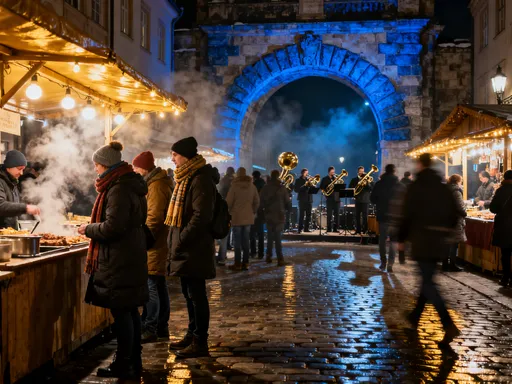
Winter, though gray and damp, is not a time of hibernation. When temperatures drop and the Alster freezes, the city monitors conditions closely, and once safe, the ice becomes a public skating rink. No admission, no rentals — just neighbors gliding across the surface, some with hot drinks in hand. Christmas markets, set in parks and squares, add warmth with twinkling lights and mulled wine, but even then, nature remains central. The seasonal cycle, in all its phases, is not resisted but embraced — a reminder that life in Hamburg moves in harmony with the natural world.
Local Life Along the Waterfront: Cafés, Markets, and Riverfront Culture
The natural spaces of Hamburg are not just for walking or cycling — they are social stages, where community life unfolds in open-air settings. Along the Alster, cafés with terraces offer front-row seats to the water’s activity. Locals sip coffee in the morning, enjoy lunch salads at noon, and gather for wine in the evening. These are not tourist traps but neighborhood institutions, often family-run and modest in design. The emphasis is on quality, simplicity, and atmosphere — a place to linger, not rush.
On the Elbe, the culture shifts slightly. In areas like Elbstrand and Oevelgönne, beach bars and pop-up kiosks serve cold drinks and grilled fish. These spots have a more casual, almost Mediterranean vibe, with wooden decks, hammocks, and barefoot patrons. They are especially popular on weekends, when Hamburgers come to watch the sunset over the river. Blankenese, a historic neighborhood with rocky shores and villas, hosts small gatherings where residents bring blankets and snacks to enjoy the view. These are not organized events but spontaneous expressions of communal enjoyment.
Markets also play a role in this riverside culture. The Fischmarkt, though primarily a fish market, draws crowds at dawn on Sundays for more than just seafood. It is a social ritual — a place to hear live music, eat currywurst, and feel the energy of the port. Nearby, farmers’ markets in parks like Kleiner Schäferkamp offer fresh produce, bread, and flowers, reinforcing the connection between urban life and the surrounding countryside. The design of these spaces — low-rise, accessible, integrated with greenery — reflects a broader aesthetic: urban comfort should not come at the expense of natural beauty.
What stands out is the lack of pretense. There are no VIP sections, no dress codes, no entry fees. People of all ages and backgrounds share these spaces with a quiet respect. This inclusivity is not accidental; it is the result of decades of urban planning that prioritizes public access over private profit. For visitors, sitting at a waterfront café or joining a market stroll is not just a pleasant activity — it is a window into the values that shape Hamburg’s identity.
Planning Your Cultural Nature Journey: Practical Tips for Immersive Visits
To experience Hamburg’s natural culture authentically, planning is key. The best times to visit are late spring through early autumn, when the weather is mild and outdoor activities are in full swing. However, even in winter, the city offers unique experiences, from ice skating to festive markets, so proper clothing is all that’s needed to participate.
Public transit is the most efficient way to explore. The HVV system, which includes buses, U-Bahn, S-Bahn, and ferries, operates on a unified tariff, making it easy to switch between modes. A day pass allows unlimited travel and covers access to nature areas on the city’s edge. For those arriving by train, the main station connects directly to regional lines that serve peripheral parks and reserves.
Bike rental is highly recommended. Stations from providers like Nextbike and Hamburgs Fahrrad are widespread, and many offer e-bikes for longer trips. For a more personalized experience, local shops provide guided tours along green routes. Apps such as Komoot and Google Maps can help plan scenic itineraries, while the official Hamburg Tourism website lists seasonal events, from light shows to open-air concerts.
When visiting natural areas, it is important to follow local customs. Littering is frowned upon, and recycling bins are clearly marked. Barbecuing is allowed only in designated zones, and swimming is restricted to official bathing areas. Respecting quiet hours in parks and maintaining distance from wildlife are also expected. These rules are not restrictive but reflect a collective commitment to sustainability and shared responsibility.
For a deeper immersion, travelers should align their visit with local events. Attending the Alstervergnügen, joining a guided forest walk, or visiting a neighborhood market offers insight into how Hamburgers live. Staying in a guesthouse near a park or river, rather than a downtown hotel, can also enhance the experience. The goal is not to see Hamburg as a checklist of sights, but to feel its rhythm — the quiet mornings, the weekend excursions, the seamless blend of city and nature.
Hamburg’s natural areas are not just scenic escapes — they are living expressions of culture. From morning jogs along the Alster to sunset gatherings on the Elbe, nature here shapes identity, rhythm, and connection. By stepping into these green and blue spaces, travelers don’t just see Hamburg — they feel it. The city’s true soul isn’t in monuments, but in the way its people live with nature, every day.