Why Exercise Might Be the Sleep Fix You’ve Been Missing
Struggling to fall or stay asleep? You're not alone—over 30% of adults face sleep challenges. While pills and potions get attention, a more natural, proven solution lies in movement. As a sleep health professional, I’ve seen how targeted exercise techniques transform rest quality. It’s not about intense workouts, but the right kind of physical rhythm. This article explores how smart, science-backed movement can reset your sleep cycle—no drugs, no gimmicks, just effective, sustainable change.
The Sleep Crisis: Why Rest Feels Out of Reach
Sleep has become a silent casualty of modern life. According to the Centers for Disease Control and Prevention (CDC), more than one-third of American adults regularly get less than the recommended seven hours of sleep per night. The World Health Organization has classified sleep disruption as a global public health issue, with poor sleep linked to rising rates of chronic disease, reduced productivity, and emotional instability. Common sleep difficulties include trouble falling asleep, waking up multiple times during the night, and waking up feeling unrefreshed despite spending enough time in bed. These patterns are not just inconvenient—they signal deeper imbalances in the body’s natural rhythm.
Chronic sleep deprivation does more than leave you feeling tired. It impairs cognitive function, reduces attention span, and increases the risk of mood disorders such as anxiety and depression. Long-term, insufficient sleep is associated with serious health conditions, including hypertension, type 2 diabetes, and weakened immune response. The brain relies on quality rest to clear metabolic waste, consolidate memories, and regulate emotional responses. Without it, even daily tasks become more difficult. Despite this, many people still treat sleep as optional, sacrificing it for work, screen time, or household responsibilities.
Current solutions often focus on quick fixes. Prescription sleep medications, over-the-counter pills, and melatonin supplements are widely used. While these may offer temporary relief, they do not address the root causes of poor sleep and can lead to dependency or side effects. Cognitive Behavioral Therapy for Insomnia (CBT-I) is a highly effective non-drug approach, but access remains limited. There is a growing need for accessible, sustainable strategies that support natural sleep regulation. This is where exercise emerges—not as a replacement for medical care, but as a foundational pillar in the architecture of restful sleep.
The Science Link: How Movement Influences Sleep
The connection between physical activity and sleep is deeply rooted in human biology. When you move your body, you initiate a cascade of physiological changes that directly influence your ability to fall and stay asleep. One of the most well-documented mechanisms is the effect of exercise on core body temperature. Physical activity raises internal heat, and the subsequent cooldown period—especially in the hours after exercise—mimics the natural drop in body temperature that occurs before bedtime. This thermal shift signals the brain that it’s time to prepare for sleep, making it easier to drift off.
Exercise also plays a crucial role in regulating the circadian rhythm, the body’s internal 24-hour clock. Exposure to daylight during outdoor physical activity helps synchronize this clock, particularly when movement occurs in the morning or early afternoon. This synchronization enhances the timely release of melatonin, the hormone responsible for sleep onset. Studies published in journals such as Sleep Medicine Reviews have shown that regular exercisers experience more consistent melatonin patterns, leading to earlier and more stable sleep initiation.
Another key factor is the balance of stress and sleep-related chemicals in the brain. Exercise reduces levels of cortisol, the primary stress hormone, which is often elevated in individuals with insomnia. At the same time, physical activity increases the production of adenosine, a neurotransmitter that promotes sleep pressure—the feeling of sleepiness that builds the longer you are awake. Unlike caffeine, which blocks adenosine receptors, exercise naturally enhances this system, creating a stronger drive to sleep at night. This dual action makes movement a powerful tool for recalibrating the body’s sleep-wake cycle.
Research consistently supports these findings. A 2020 meta-analysis in the British Journal of Sports Medicine reviewed over 50 clinical trials and concluded that moderate-intensity aerobic exercise significantly improves sleep efficiency, total sleep time, and sleep quality. Participants reported falling asleep faster and waking up less during the night. These benefits were observed across age groups and were particularly pronounced in middle-aged and older adults—populations most vulnerable to sleep disruption. The evidence is clear: when done correctly, exercise is not just beneficial for the body—it is essential for the brain’s ability to rest.
Not All Exercise Is Equal: Matching Type to Sleep Goals
While any movement is better than none, the type of exercise you choose can significantly influence the quality of your sleep. Different forms of physical activity engage distinct physiological pathways, each contributing to rest in unique ways. Understanding these differences allows you to tailor your routine to your specific sleep challenges. Aerobic exercise, resistance training, flexibility work, and mind-body practices each offer distinct advantages, and incorporating a mix of these can create a comprehensive approach to better rest.
Aerobic or cardiovascular exercise—such as brisk walking, cycling, or swimming—has been shown to reduce the time it takes to fall asleep. A study from the Journal of Clinical Sleep Medicine found that participants who engaged in 30 minutes of moderate aerobic activity three times a week fell asleep 13 minutes faster than those who remained sedentary. This effect is attributed to improved cardiovascular function and increased oxygen flow to the brain, both of which support relaxation. For those who lie awake for long periods, a daily walk, especially in natural light, can be a simple yet powerful intervention.
Resistance or strength training, such as lifting weights or using resistance bands, is particularly effective in enhancing deep sleep, also known as slow-wave sleep. This stage is critical for physical recovery, immune function, and hormonal balance. Research indicates that individuals who include strength training in their weekly routine spend more time in this restorative phase. The muscle fatigue generated during resistance work appears to signal the brain that the body needs deeper rest, thereby increasing the proportion of slow-wave sleep. For women over 40, this is especially valuable, as deep sleep tends to decline with age.
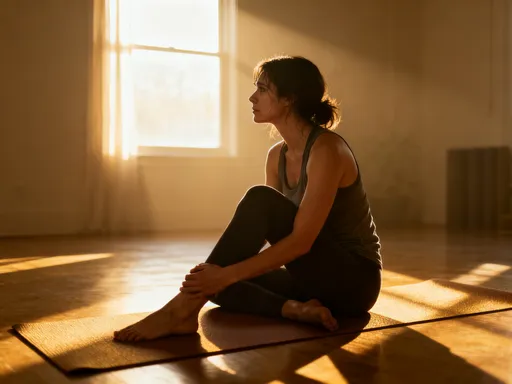
Mind-body exercises like yoga, tai chi, and qigong offer unique benefits for those whose sleep is disrupted by stress or anxiety. These practices combine gentle movement with breath regulation and mindfulness, helping to calm the nervous system. A randomized controlled trial published in JAMA Internal Medicine found that older adults who practiced yoga regularly reported significant improvements in sleep quality and reductions in insomnia symptoms. The rhythmic breathing and focused attention reduce nighttime arousal, making it easier to transition into rest. For individuals who wake up feeling tense or mentally overwhelmed, these practices can serve as a nightly wind-down ritual.
Timing Matters: When to Move for Better Rest
The timing of exercise is just as important as the type. Many people assume that evening workouts disrupt sleep, but recent research challenges this belief. A 2019 study in Sports Medicine analyzed data from over 600 adults and found that moderate-intensity exercise, even up to one hour before bedtime, did not impair sleep and in some cases improved it. However, high-intensity workouts late at night—such as sprinting or heavy weightlifting—can elevate heart rate and adrenaline levels, potentially delaying sleep onset for sensitive individuals.
For most people, morning or afternoon exercise offers the greatest benefits for sleep regulation. Exercising in daylight helps anchor the circadian rhythm, especially when combined with natural light exposure. A morning walk not only boosts energy for the day but also strengthens the body’s ability to wind down at night. Afternoon workouts, particularly between 4 p.m. and 6 p.m., align with the body’s natural peak in muscle strength and endurance, making them efficient and effective. This timing also allows enough time for core temperature to drop before bedtime, supporting smooth sleep transition.
Individual chronotypes—whether you are a morning person or a night owl—should also guide your exercise schedule. Early risers may benefit most from morning movement, while those who feel more alert in the evening may find late-day workouts more sustainable. The key is consistency. Regular timing of physical activity helps the body anticipate and prepare for sleep, much like a bedtime routine signals the mind to relax. Over time, this predictability strengthens the sleep-wake cycle.
To maximize sleep benefits, consider incorporating a cooldown period after exercise. Gentle stretching, deep breathing, or a warm shower can facilitate the transition from activity to rest. Avoiding stimulating screens and caffeine post-workout also supports recovery. For those with insomnia, pairing evening movement with relaxation techniques—such as listening to calming music or practicing progressive muscle relaxation—can further enhance sleep readiness. The goal is not to exhaust the body, but to guide it gently toward rest.
The Sweet Spot: Duration and Intensity That Work
Finding the right balance of duration and intensity is essential for reaping sleep benefits without causing harm. The U.S. Department of Health and Human Services recommends at least 150 minutes of moderate-intensity aerobic activity per week, or about 30 minutes five days a week. Moderate intensity is defined as activity that raises your heart rate and causes light sweating but still allows you to hold a conversation—examples include brisk walking, water aerobics, or leisurely cycling. This level of exertion is sufficient to trigger positive physiological changes without overtaxing the body.
For sleep improvement, consistency matters more than intensity. A daily 20- to 30-minute walk is more beneficial than an occasional high-intensity session. The body responds best to regular, predictable movement. Sporadic or extreme workouts can increase cortisol and inflammation, counteracting sleep benefits. Overtraining—a condition marked by fatigue, irritability, and disrupted sleep—is a real risk for those who push too hard. Signs include difficulty falling asleep despite exhaustion, frequent nighttime awakenings, and morning grogginess. If these occur, scaling back intensity and allowing for recovery is crucial.
Strength training should be performed two to three times per week, focusing on major muscle groups. Sessions can be as short as 20 minutes and do not require a gym—bodyweight exercises like squats, lunges, and push-ups are effective. Flexibility and balance work, such as yoga or stretching, can be done daily and are especially helpful before bed. The cumulative effect of these varied activities is a more resilient, regulated body that is primed for rest.
It’s also important to listen to your body. On days when energy is low, a gentle walk or restorative yoga session may be more appropriate than a vigorous workout. The goal is to support, not deplete, your energy reserves. Over time, as sleep improves, energy levels often increase, creating a positive feedback loop. This makes it easier to maintain a consistent routine, further reinforcing sleep quality.
Real-World Application: Building a Sleep-Supportive Routine
Translating science into daily life requires practical, adaptable strategies. A sample weekly plan might include a 30-minute brisk walk on Monday, Wednesday, and Friday mornings, followed by 20 minutes of strength training on Tuesday and Thursday. Saturday could feature a longer walk or bike ride, while Sunday might focus on stretching or a gentle yoga session. This mix ensures variety, prevents boredom, and addresses multiple aspects of sleep health.
Practical tips can help overcome common barriers. For those with limited time, breaking activity into 10-minute segments throughout the day is just as effective. A morning walk with coffee, a lunchtime stroll, and an evening stretch session can add up to the recommended weekly total. Using a step counter or fitness tracker provides motivation and feedback. Aiming for 7,000 to 10,000 steps daily has been associated with better sleep quality in multiple studies.
Fatigue and low motivation are frequent obstacles, especially for those already struggling with poor sleep. Starting small—such as a five-minute walk after dinner—can build momentum. Pairing movement with enjoyable activities, like listening to a podcast or walking with a friend, increases adherence. Scheduling workouts like appointments helps prioritize them. For those with irregular schedules, identifying consistent cues—such as exercising after brushing teeth in the morning—can strengthen habit formation.
Tracking both sleep and activity can reveal valuable patterns. Keeping a simple journal or using a sleep app allows you to notice correlations—such as better rest after days with more movement. This awareness fosters a sense of control and encourages continued effort. Over time, small changes accumulate into significant improvements in both energy and sleep.
Beyond the Body: How Exercise Supports Mental Calm at Night
The benefits of exercise extend far beyond the physical. One of the most profound impacts is on mental and emotional well-being, which directly influences sleep. Many people lie awake at night caught in cycles of rumination—replaying the day’s events or worrying about the future. Physical activity helps break this pattern by shifting focus to the body and the present moment. The rhythmic nature of walking, the concentration required in strength training, or the breath awareness in yoga all serve as forms of moving meditation.
Exercise has been shown to reduce symptoms of anxiety and depression, two of the most common contributors to insomnia. A 2018 study in The Lancet Psychiatry analyzed data from over 1.2 million people and found that those who exercised reported 43% fewer days of poor mental health per month compared to inactive individuals. The effect was strongest for team sports, cycling, and gym activities, but even walking showed significant benefits. By lowering psychological distress, exercise creates a mental environment more conducive to sleep.
Additionally, regular movement fosters a sense of structure and accomplishment. For those whose days feel chaotic or unproductive, completing a workout provides a tangible achievement. This builds self-efficacy—the belief that you can influence your own well-being—which is crucial for long-term behavior change. When you feel in control of your health, sleep feels less like a mystery and more like a natural outcome of daily choices.
For individuals with chronic insomnia or diagnosed sleep disorders, exercise should complement, not replace, professional care. Cognitive Behavioral Therapy for Insomnia (CBT-I) remains the gold standard treatment. However, when combined with a consistent movement routine, CBT-I can be even more effective. Always consult a healthcare provider before beginning a new exercise program, especially if you have underlying health conditions such as heart disease, arthritis, or chronic pain. A doctor or physical therapist can help design a safe, personalized plan that supports both physical and sleep health.
Exercise isn’t a magic cure, but it’s one of the most accessible and effective tools for better sleep. When approached with intention—matching type, timing, and intensity to individual needs—physical activity becomes a cornerstone of sleep health. Unlike temporary fixes, it supports lasting change, enhancing both the body’s rhythm and the mind’s readiness to rest. For anyone seeking a natural path to deeper, more restful nights, movement may be the missing piece. Always consult a healthcare provider before starting a new routine, especially with existing conditions.