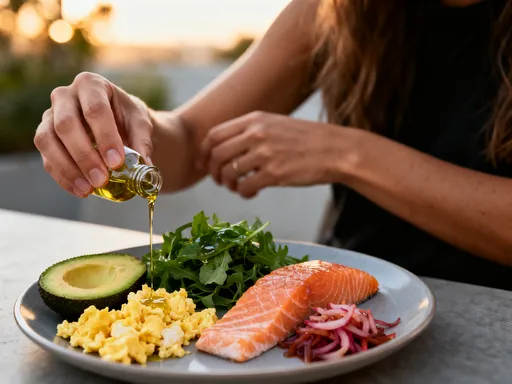
How I Made Keto Work by Mixing the Right Foods
Starting keto felt overwhelming—so many rules, so much confusion. But what changed everything was learning how to combine foods the right way. It’s not just about cutting carbs; it’s about pairing fats, proteins, and veggies to keep energy steady and cravings away. I tested different combos, saw real results, and finally found a simple, sustainable rhythm. This is what actually worked for me—and could work for you too.
The Hidden Challenge of the Ketogenic Diet
Many people begin the ketogenic diet with excitement, believing that eliminating bread, sugar, and pasta is enough to trigger weight loss and mental clarity. While reducing carbohydrates is the foundation of keto, it’s only part of the story. Without proper food synergy, even strict carb counters often experience fatigue, irritability, and persistent hunger. These symptoms are not signs of weakness or lack of discipline—they are signals that the body isn’t functioning optimally on its new fuel source. The real challenge lies not in restriction alone, but in how foods are combined to support metabolic balance.
When individuals focus solely on macronutrient ratios—aiming for 70–80% of calories from fat, 20% from protein, and under 10% from carbs—they may overlook the quality and compatibility of the foods they eat. For example, consuming high-fat processed meats with cheese while skipping vegetables may technically fit keto guidelines, but it can lead to digestive discomfort, inflammation, and stalled progress. The body thrives on nutrient density and balance, not just fat quantity. Without fiber, phytonutrients, and proper hydration, ketosis becomes harder to maintain, and the benefits of the diet diminish over time.
The misconception that keto is simply a “fat-burning mode” ignores the complexity of human metabolism. Ketosis is a metabolic state where the liver converts fat into ketones for energy, but this process depends on more than low carbohydrate intake. It requires adequate electrolyte balance, liver function, and consistent energy delivery. Poor food pairings—such as eating fat without fiber or protein without supporting nutrients—can disrupt insulin sensitivity, impair digestion, and reduce satiety. As a result, people may experience energy crashes, increased cravings, and difficulty sticking with the diet long-term. Recognizing this hidden layer of dietary strategy is the first step toward sustainable success.
What many don’t realize is that food synergy—the way nutrients interact when eaten together—plays a crucial role in how effectively the body enters and remains in ketosis. Certain combinations enhance nutrient absorption, stabilize blood sugar, and support gut health, all of which contribute to smoother metabolic transitions. For instance, fat-soluble vitamins like A, D, E, and K require dietary fat to be absorbed, so pairing leafy greens with olive oil improves vitamin uptake. Similarly, combining protein with healthy fats slows digestion and prevents blood sugar spikes, even in the absence of carbohydrates. These small but powerful interactions are often overlooked, yet they make a significant difference in how the body responds to a ketogenic lifestyle.
Why Food Pairing Matters on Keto
The human body does not process food in isolation. Every meal is a complex interaction of macronutrients and micronutrients that influences hormonal responses, energy levels, and metabolic efficiency. On a ketogenic diet, where the body relies on fat for fuel, the way foods are paired directly affects how smoothly this transition occurs. Strategic food combinations can enhance ketone production, improve satiety, and reduce inflammation—three key factors in long-term adherence and health benefits.
One of the most important principles is the relationship between fat and fiber. While fat provides energy, fiber supports gut health and helps regulate the release of nutrients into the bloodstream. Without sufficient fiber, high-fat meals can lead to sluggish digestion and discomfort. However, when healthy fats like avocado or olive oil are paired with low-carb vegetables such as spinach, broccoli, or zucchini, the result is a balanced meal that promotes steady energy and sustained fullness. Fiber also feeds beneficial gut bacteria, which play a role in immune function and even mood regulation—factors that indirectly support dietary consistency.
Protein intake on keto must also be carefully managed through pairing. Consuming large amounts of protein without adequate fat can lead to gluconeogenesis, a process where excess protein is converted into glucose, potentially interfering with ketosis. To prevent this, it’s essential to pair protein sources like eggs, chicken, or fish with healthy fats such as butter, ghee, or avocado. This balance ensures that the body receives enough protein for muscle maintenance without triggering unwanted glucose production. Additionally, combining protein with fats slows gastric emptying, which helps regulate appetite and reduces the likelihood of snacking between meals.
Another critical aspect of food pairing is the impact on blood sugar and insulin levels. Even on a low-carb diet, certain combinations can cause minor insulin fluctuations that affect energy and cravings. For example, eating nuts—which are high in fat but also contain some carbohydrates and protein—without pairing them with fiber-rich vegetables may lead to a slight blood sugar rise followed by a crash. However, when nuts are eaten alongside cucumber slices or celery sticks, the fiber content helps buffer this effect. Over time, these small adjustments contribute to greater metabolic stability and fewer cravings, making it easier to stay committed to the diet.
Moreover, the inclusion of fermented foods in keto meal planning enhances nutrient absorption and supports a healthy microbiome. Fermented vegetables like sauerkraut or kimchi contain probiotics that improve digestion and may help the body better utilize fats and proteins. When paired with fatty meats or fish, these foods not only add flavor but also aid in breaking down nutrients more efficiently. This kind of synergy illustrates that keto is not just about counting macros—it’s about creating meals that work together to support overall well-being. Understanding these interactions empowers individuals to make informed choices that go beyond mere compliance with dietary rules.
The 3 Key Combos That Changed My Results
After months of trial and error, three specific food pairings emerged as game-changers in my keto journey. These combinations were not only satisfying and easy to prepare but also delivered noticeable improvements in energy, mental clarity, and appetite control. Unlike rigid meal plans or complicated recipes, these pairings focused on simplicity, taste, and metabolic harmony. By integrating them into daily meals, I experienced fewer cravings, more stable moods, and consistent progress toward my health goals.
The first breakthrough came from pairing **avocado with eggs**. This simple combination became a staple breakfast, often served with a sprinkle of sea salt and a dash of hot sauce. Avocado provides monounsaturated fats, fiber, and potassium, while eggs offer high-quality protein and choline, a nutrient important for brain health. Together, they create a meal that keeps blood sugar steady and promotes lasting fullness. I noticed that on days when I ate this pairing, I didn’t feel the mid-morning slump that used to plague me. The creamy texture of avocado balanced the firmness of the egg, making the meal enjoyable and satisfying. Over time, this became a reliable go-to that required minimal preparation but delivered maximum results.
The second transformative pairing was **olive oil with leafy greens**. At first, I struggled to eat enough vegetables on keto, often skipping them in favor of higher-fat options. But when I started drizzling extra virgin olive oil over salads made with spinach, arugula, and kale, everything changed. Olive oil enhances the absorption of fat-soluble vitamins like K and E, which are abundant in dark leafy greens. This simple addition not only improved nutrient uptake but also made the vegetables taste richer and more appealing. I began adding lemon juice or apple cider vinegar for flavor, creating a dressing that supported digestion and liver function. Eating this combination regularly helped reduce bloating and improved my overall digestion, which had been a concern during the early stages of keto.
The third powerful combo was **fatty fish with fermented vegetables**. I incorporated salmon, mackerel, or sardines into my weekly meals, always served with a side of sauerkraut or fermented carrots. Fatty fish are rich in omega-3 fatty acids, which support heart and brain health, while fermented vegetables provide probiotics that aid gut balance. This pairing created a synergistic effect—omega-3s reduce inflammation, and a healthy gut enhances the body’s ability to absorb these essential fats. I found that after eating this meal, my mental focus sharpened, and I felt calmer throughout the day. The tangy crunch of fermented veggies contrasted beautifully with the rich, oily texture of the fish, making it a meal I looked forward to. Over several weeks, I noticed improvements in my skin clarity and sleep quality, likely due to the combined anti-inflammatory and digestive benefits.
What made these pairings so effective was their alignment with both metabolic needs and sensory satisfaction. They weren’t just scientifically sound—they tasted good and felt nourishing. This dual benefit made it easier to stick with the diet without feeling deprived. Instead of viewing keto as a list of forbidden foods, I began to see it as an opportunity to explore delicious, nutrient-dense combinations that supported my body’s natural rhythms. These three pairings became the foundation of my eating pattern, proving that small, intentional choices can lead to meaningful, lasting change.
What to Avoid: Common Dietary Mistakes on Keto
Even with the best intentions, many people unknowingly sabotage their keto progress by making poor food pairing choices. These mistakes are not always obvious, especially since the meals may appear to fit within macronutrient guidelines. However, the long-term effects—such as stalled weight loss, digestive issues, or chronic fatigue—reveal that something is off. Recognizing and correcting these common errors is essential for achieving sustainable results and maintaining overall health.
One of the most frequent missteps is relying too heavily on processed meats and cheese without including vegetables. While bacon, salami, pepperoni, and cheddar are popular keto-friendly foods, consuming them in isolation can lead to nutrient deficiencies and digestive discomfort. These foods are often high in sodium and low in fiber, which can contribute to constipation and increased inflammation. Additionally, processed meats contain additives and preservatives that may disrupt gut health over time. When eaten daily without balancing fiber-rich plants, this pattern creates an imbalanced internal environment that works against the goals of the diet. The solution is simple: pair these proteins with leafy greens, cruciferous vegetables, or fermented options to improve digestion and nutrient intake.
Another common mistake is skipping fats when eating protein-rich foods. Some individuals, particularly those concerned about calorie intake, may eat grilled chicken or fish without adding a source of healthy fat. This approach can backfire, as protein without fat digests too quickly, leading to hunger soon after eating. It also increases the risk of gluconeogenesis, where the body converts excess protein into glucose, potentially knocking someone out of ketosis. To avoid this, it’s important to always include a fat source—such as olive oil, butter, avocado, or nuts—when consuming protein. This practice not only supports ketone production but also enhances satiety and flavor.
A third pitfall is overconsuming dairy-based fats without considering individual tolerance. While butter, cream, and full-fat cheese are staples for many on keto, some people are sensitive to dairy, even if they don’t have a diagnosed allergy. Symptoms like bloating, skin breakouts, or mild fatigue may indicate a subtle intolerance. In such cases, continuing to consume large amounts of dairy can hinder progress despite adherence to carb limits. A better approach is to rotate fat sources—using avocado, coconut oil, olive oil, and nuts—to reduce reliance on dairy and increase dietary variety. This not only supports gut health but also ensures a broader spectrum of nutrients.
Lastly, many people overlook hydration and electrolyte balance when focusing on food pairings. Dehydration and low levels of sodium, potassium, and magnesium are common during the initial phase of keto and can cause headaches, muscle cramps, and fatigue. These symptoms are often mistaken for food-related issues, but they stem from mineral imbalances caused by increased water loss. To prevent this, it’s crucial to drink enough water and include electrolyte-rich foods such as avocados, leafy greens, nuts, and bone broth. Adding a pinch of high-quality salt to meals or sipping on broth can make a significant difference in how the body adapts to ketosis.
Building Balanced Keto Meals: A Practical Framework
To simplify meal planning and ensure consistent results, I developed a practical framework based on a balanced plate model. This method removes guesswork and makes it easy to create satisfying, nutrient-dense meals every day. The core idea is simple: each meal should include one source of healthy fat, one source of high-quality protein, and one serving of low-carb vegetables or fermented foods. By following this structure, I was able to maintain ketosis while enjoying a wide variety of flavors and textures.
For breakfast, I often combined scrambled eggs cooked in ghee (fat + protein) with sautéed spinach and mushrooms (vegetables). Sometimes, I added sliced avocado on the side for extra healthy fats. This meal provided sustained energy without the crash I used to experience with carb-heavy mornings. On busy days, I prepared a smoothie using unsweetened almond milk, a scoop of collagen peptides, a tablespoon of MCT oil, and a handful of frozen berries and spinach. This option was quick, portable, and still aligned with the plate model.
Lunch typically featured a salad with mixed greens, grilled salmon or chicken (protein), olive oil and lemon dressing (fat), and a small portion of fermented vegetables like kimchi or sauerkraut. I made sure to vary the greens—using romaine, arugula, or butter lettuce—and rotate proteins to prevent boredom. Adding seeds like pumpkin or sunflower provided crunch and additional nutrients. This approach kept meals interesting and nutritionally complete.
Dinner was an opportunity to experiment with different cuisines while staying within the framework. I enjoyed dishes like zucchini noodles with pesto and shrimp, cauliflower rice stir-fry with steak and broccoli, or baked cod with roasted asparagus and garlic butter. The key was ensuring that each component fulfilled one of the three categories: fat, protein, or low-carb plant. By rotating ingredients weekly, I avoided monotony and supported a diverse gut microbiome.
This plate model also made grocery shopping and meal prep more efficient. I began organizing my kitchen around these categories, keeping staples like eggs, olive oil, leafy greens, frozen fish, and fermented vegetables always on hand. Pre-chopping vegetables and pre-cooking proteins in batches saved time during the week. Having a clear structure reduced decision fatigue and eliminated the stress of wondering what to eat. Most importantly, it allowed me to stay consistent without feeling restricted, turning healthy eating into a natural part of daily life.
Listening to Your Body: Adjusting Based on Response
One of the most empowering lessons I learned was that no single keto approach works perfectly for everyone. While general guidelines provide a starting point, true success comes from tuning in to your body’s unique responses. Energy levels, sleep quality, digestion, and mood are all valuable feedback signals that can guide food choices. Rather than following a rigid plan, I began viewing keto as a flexible framework that could be adjusted based on how I felt each day.
For example, there were days when I felt unusually tired in the afternoon. Instead of pushing through, I examined my recent meals and noticed I had been eating a lot of dairy. After reducing cheese and heavy cream for a few days and replacing them with avocado and olive oil, my energy improved. Similarly, when I experienced mild bloating, I realized I hadn’t been drinking enough water or consuming enough fiber-rich vegetables. By increasing my intake of leafy greens and adding a daily cup of bone broth, the discomfort resolved within a couple of days.
Sleep patterns also provided insight. On nights when I ate a large protein-heavy meal late in the evening, I sometimes had trouble falling asleep. Shifting to a lighter dinner with more fat and vegetables helped me relax and sleep more soundly. These observations taught me that small adjustments—like changing the timing or composition of meals—could have a big impact on overall well-being.
Tracking these responses didn’t require a complicated journal or app. A simple mental note or brief reflection at the end of the day was enough to identify patterns. Over time, I developed a deeper awareness of what my body needed and when. This mindful approach fostered a sense of trust and connection with my body, making the diet feel less like a set of rules and more like a personalized way of eating. Flexibility, not perfection, became the foundation of long-term success.
Making It Last: Turning Smart Combos into Habits
Sustainability is the ultimate goal of any dietary change. No matter how effective a plan is in the short term, it only matters if it can be maintained over months and years. The key to making keto last is not willpower, but habit formation. By turning thoughtful food pairings into automatic routines, I was able to integrate them into daily life without constant effort or decision-making.
Meal prep played a crucial role in this process. Every Sunday, I dedicated a few hours to washing and chopping vegetables, cooking a batch of eggs or chicken, and preparing dressings or sauces. Having these components ready made it easy to assemble balanced meals during the week, even on the busiest days. I also kept healthy snacks on hand—such as celery with almond butter, hard-boiled eggs, or a small handful of macadamia nuts—so I wouldn’t reach for convenience foods when hungry.
Flavor was another important factor in long-term adherence. Eating the same foods every day can lead to burnout, so I experimented with herbs, spices, and healthy condiments to keep meals exciting. Rosemary, thyme, turmeric, and garlic added depth and variety without increasing carbs. I also discovered that a splash of balsamic vinegar (in moderation) or a dollop of sugar-free mustard could transform a simple dish into something delicious. These small pleasures made the diet feel enjoyable rather than restrictive.
Finally, I shifted my mindset from viewing keto as a temporary diet to seeing it as a lifelong way of eating. Instead of focusing on what I was giving up, I celebrated what I was gaining—more energy, better digestion, and a stronger connection to my body. This positive perspective helped me stay motivated and resilient, even when life got busy or stressful. By building habits gradually and focusing on consistency over perfection, I created a sustainable, satisfying approach to eating that supports my health for the long haul.