Salt Was Sneaking Up on Me — Here’s How I Took Control Without Giving Up Flavor
Living with high blood pressure scared me — until I realized how much salt I was blindly consuming every day. It wasn’t just the shaker; it was hiding in bread, sauces, and even snacks I trusted. Cutting back felt impossible at first, but once I learned the real sources and smarter swaps, my energy improved and my numbers dropped. This isn’t about extreme restriction — it’s about making informed, sustainable choices that protect your heart and keep meals delicious. What started as a doctor’s warning became a journey of discovery, one that reshaped not just my plate, but my entire approach to wellness.
The Wake-Up Call: When My Doctor Said “Watch Your Salt”
A routine checkup changed everything. At 47, I considered myself healthy — I walked daily, didn’t smoke, and rarely drank alcohol. Yet my blood pressure reading was consistently above 140/90 mmHg, placing me in the category of stage 1 hypertension. My doctor didn’t panic, but her tone was firm: “You need to take this seriously. Start by watching your salt.” I remember staring at the chart, confused. I didn’t sprinkle much salt on my food. I didn’t crave chips or pickles. How could I be consuming too much?
That moment marked the beginning of a shift — from unawareness to active learning. I had believed, like many, that if food didn’t taste salty, it couldn’t be high in sodium. But the reality is far more complex. The American Heart Association recommends no more than 2,300 milligrams of sodium per day, with an ideal limit of 1,500 mg for most adults, especially those with elevated blood pressure. The average American, however, consumes over 3,400 mg daily — and much of it comes from sources we don’t even consider.
What struck me most was how silent the problem was. High sodium intake doesn’t cause immediate pain or obvious symptoms. It works quietly, straining the arteries, increasing fluid retention, and over time, contributing to heart disease and stroke. There was no dramatic warning, just a number on a screen that demanded attention. That number became a turning point — not out of fear, but out of a desire to understand and take control.
Where’s All This Salt Coming From? Not Just the Shaker
The biggest revelation came when I started reading food labels. I had always blamed the salt shaker on the table, but that accounted for only a small fraction of my intake. According to the Centers for Disease Control and Prevention (CDC), about 70% of the sodium in the average American diet comes from processed and restaurant foods. The salt shaker contributes just 11%. The rest is already inside the foods we buy — baked into bread, stirred into sauces, and packed into frozen meals.
Bread, for instance, was a major offender. A single slice of store-bought whole grain bread can contain 150 to 250 mg of sodium — and many people eat two or three slices at a time, not realizing they’re starting the day with half a teaspoon of salt. Canned soups, often marketed as convenient and comforting, can deliver over 800 mg per serving. Deli meats — turkey, ham, roast beef — are preserved with sodium nitrates and salt, with just two slices sometimes exceeding 1,000 mg. Even sweet breakfast cereals, especially those with “toasted” or “crispy” textures, can be surprisingly high in sodium.
Condiments are another hidden culprit. A tablespoon of soy sauce contains around 900 mg of sodium. Ketchup, barbecue sauce, and salad dressings often pack hundreds of milligrams per serving. I once tallied the sodium in a seemingly healthy lunch: a turkey sandwich on whole wheat bread with mayonnaise and a pickle. Without adding a single grain of salt, the meal totaled over 2,000 mg — nearly my entire daily limit. That was a wake-up call in itself.
Marketing can be misleading, too. Products labeled “low-fat” or “reduced-fat” often compensate for flavor loss with added salt. “All-natural” doesn’t mean low-sodium. Even organic snacks can be high in salt. Learning to decode labels became essential. I started checking the milligrams per serving, paying attention to serving sizes, and comparing brands. Over time, I developed a mental list of high-sodium red flags: broth, seasoning blends, pre-marinated proteins, and anything with “smoked,” “cured,” or “seasoned” in the name.
Why Less Salt Actually Feels Better (Beyond Blood Pressure)
Within a few weeks of cutting back, I noticed changes that went far beyond the numbers on the scale or the blood pressure cuff. The most immediate was reduced bloating. I had often felt puffy in the mornings, especially after eating out or having a frozen meal. That puffiness faded. My rings didn’t feel tight anymore, and my jeans fit more comfortably. This wasn’t weight loss — it was reduced fluid retention, a direct effect of lower sodium intake.
Sodium pulls water into the bloodstream, increasing blood volume and putting pressure on the arteries. When you consume less salt, your body doesn’t hold onto as much fluid. This not only lowers blood pressure but also eases the workload on the heart and kidneys. The science is clear: reducing sodium intake improves vascular function and supports long-term cardiovascular health. But the benefits aren’t just physiological — they’re sensory and emotional, too.
I began to sleep more soundly. I didn’t wake up as thirsty in the middle of the night. My energy levels became more stable — no more mid-afternoon crashes or sluggishness after meals. I also noticed my skin looked clearer, less puffy around the eyes. Friends commented that I “looked rested,” even when I hadn’t changed my sleep schedule. These subtle shifts reinforced my commitment. This wasn’t just about avoiding disease — it was about feeling better in my own body every single day.
Hydration improved, too. When I was eating high-sodium foods, I craved water constantly, yet never felt fully quenched. Now, drinking water feels more satisfying. I don’t need as much to feel hydrated. This shift made it easier to drink more water throughout the day, which in turn supported digestion and energy. It became a positive feedback loop: less salt led to better hydration, which supported better choices, which led to even lower sodium intake.
Retraining My Taste Buds: The First Two Weeks Were Tough
The first two weeks of reducing salt were the hardest. Meals tasted flat, almost unfinished. I missed the sharpness of salt on roasted vegetables, the depth it added to soups. I caught myself reaching for the shaker out of habit, only to remember my goal. Cravings were real — not for salt itself, but for that familiar punch of flavor. I realized how dependent I had become on sodium to make food enjoyable.
But then, something unexpected happened. Around day 10, flavors began to change. A tomato tasted brighter, more tangy. A piece of grilled chicken revealed subtle herbal notes I hadn’t noticed before. My taste buds were adapting. Research shows that it takes about 2 to 4 weeks for the palate to adjust to lower sodium levels. During this time, the sensitivity to salt increases, meaning you need less to experience the same satisfaction.
I started experimenting with other ways to build flavor. I kept a variety of herbs and spices on hand — dried oregano, smoked paprika, cumin, garlic powder, and fresh rosemary. A squeeze of lemon or lime could brighten a dish instantly. Apple cider vinegar added tang to salad dressings without the sodium of commercial versions. I discovered the power of umami — the savory fifth taste — through ingredients like mushrooms, tomatoes, and small amounts of low-sodium soy sauce.
Flavor layering became my new approach. Instead of relying on salt to do all the work, I built complexity step by step: sautéing onions and garlic in olive oil, adding herbs early in cooking, finishing with a splash of acid. These techniques made meals more interesting, not less. In time, foods I once loved — like store-bought ramen or canned chili — began to taste overwhelmingly salty. My palate had changed, and that change was permanent.
My Go-To Swaps: Practical Changes That Stuck
Sustainability was key. I didn’t want a short-term diet; I wanted lasting habits. The most effective changes were simple, practical, and easy to maintain. One of the first was switching to low-sodium soy sauce. It has about half the sodium of regular soy sauce but still delivers that deep, savory flavor. I also started making my own salad dressings — a mix of olive oil, lemon juice, Dijon mustard, and a touch of honey. Not only did this cut sodium dramatically, but it also eliminated added sugars and preservatives.
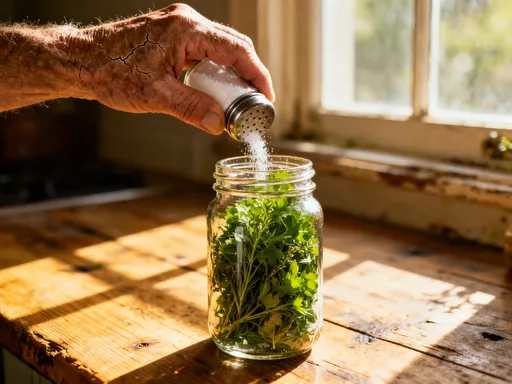
I began choosing fresh or frozen vegetables without added sauce or seasoning. Canned vegetables, while convenient, are often packed in salty brine. Rinsing them can reduce sodium by up to 30%, but fresh or frozen is still better. I also started cooking more meals at home. This gave me full control over ingredients. On weekends, I’d batch-prep spice blends — a mix of garlic powder, onion powder, dried thyme, and black pepper — to use throughout the week. I even made a small-batch herb salt with just a tiny amount of sea salt and lots of dried herbs, so I could sprinkle something familiar without overdoing it.
Snacking changed, too. Instead of pretzels or crackers, I reached for unsalted nuts, fresh fruit, or sliced vegetables with hummus. I discovered low-sodium versions of my favorite snacks, like no-salt-added tomato juice or baked chips with reduced sodium. I learned to read labels carefully and choose products with less than 140 mg of sodium per serving, which the FDA defines as “low sodium.” These small shifts added up, making it easier to stay under my daily limit without feeling deprived.
One of the most impactful changes was rethinking breakfast. I had been eating a bowl of cereal almost every morning, not realizing some brands contain over 300 mg of sodium per serving. I switched to oatmeal made with water or unsweetened almond milk, topped with fresh berries and a sprinkle of cinnamon. The flavor was warm and satisfying, and the sodium content was negligible. This simple swap saved hundreds of milligrams each day.
Eating Out Without Sabotaging Progress
Dining out used to be a minefield. Restaurant meals are typically much higher in sodium than home-cooked food. A single entrée can contain an entire day’s worth of sodium — or more. But I didn’t want to give up social meals or family dinners out. Instead, I learned to navigate menus with confidence.
My first rule became: ask questions. I started requesting sauces and dressings on the side. This simple step allowed me to control how much I used — and often, I realized I didn’t need much at all. I avoided fried foods, which are typically brined or battered with salt. I chose grilled, baked, or steamed options instead. I asked for vegetables to be steamed without butter or salt. Most restaurants were accommodating, especially when I framed it as a health need rather than a preference.
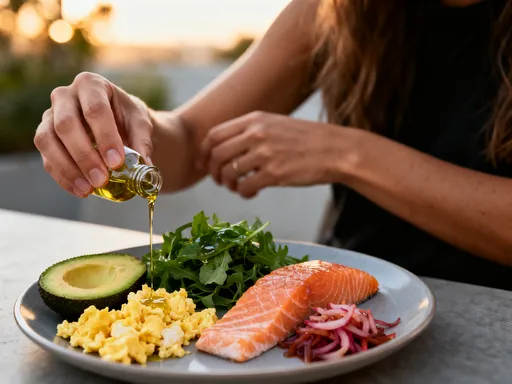
I also learned to skip the bread basket. That small plate of rolls could add 500 mg of sodium before the meal even began. I focused on protein and vegetables — grilled salmon with roasted asparagus, a salad with grilled chicken and a vinaigrette on the side. Mexican restaurants became easier when I skipped the chips and salsa and ordered a burrito bowl with extra vegetables and no added salt. Italian meals were better with a simple dish like grilled fish with sautéed spinach and a lemon wedge.
Communication made a difference. At first, I felt self-conscious asking for modifications. But over time, I realized I wasn’t being difficult — I was being responsible. Servers often appreciated the clarity, and chefs were usually happy to accommodate. The goal wasn’t perfection, but progress. If I did eat a higher-sodium meal, I balanced it with lower-sodium choices the next day. This mindset kept me from feeling restricted and helped me enjoy life without guilt.
Long-Term Gains: How This Small Change Changed My Health Routine
Reducing sodium didn’t exist in isolation. It became a gateway to broader wellness habits. Because I was cooking more at home, I naturally ate more vegetables and whole grains. I started drinking more water, not just to counteract salt, but because I enjoyed the taste and how it made me feel. I became more mindful of portion sizes and ingredient quality. My grocery shopping changed — I spent more time in the produce section and less in the center aisles where processed foods live.
I began monitoring my blood pressure at home with a digital cuff. Seeing the numbers gradually drop — from 145/92 to 128/82 over six months — was incredibly motivating. I shared the results with my doctor, who praised the progress and encouraged me to keep going. She reminded me that small, consistent changes are more effective than drastic overhauls. That validation strengthened my resolve.
This journey also changed my relationship with food. I stopped seeing meals as just fuel and started appreciating them as an opportunity for care and connection. I involved my family in the process — we cooked together, tasted new spices, and celebrated flavorful, healthy meals. My children learned to enjoy vegetables without drowning them in butter or salt. My husband, who was initially skeptical, admitted he felt less bloated and more energetic too.
Most importantly, I shifted from reacting to my health to proactively managing it. I stopped waiting for a crisis to make changes. I began to see daily choices — what I eat, how I move, how I rest — as acts of prevention. Lowering sodium wasn’t a punishment; it was a form of self-respect. It taught me that small decisions, repeated over time, create lasting impact.
A Simple Shift With Lasting Impact
Reducing salt isn’t about sacrifice — it’s about empowerment. It’s about understanding where sodium hides, making informed choices, and discovering that food can be both delicious and heart-healthy. This journey taught me that health isn’t found in extreme diets or quick fixes, but in consistent, mindful actions. By taking control of my sodium intake, I didn’t just lower my blood pressure — I improved my energy, my sleep, my confidence, and my relationship with food.
The changes I made weren’t perfect, and I don’t expect perfection from myself. There are still nights when I eat out or enjoy a higher-sodium meal. But now, I do so with awareness. I balance it, I learn from it, and I keep moving forward. The goal isn’t to eliminate salt entirely — it’s to live in harmony with it, to use it wisely rather than let it use me.
If you’re facing a similar wake-up call, know that you’re not alone. Start small. Read one label. Try one new spice. Cook one meal at home. These steps may seem minor, but they build momentum. Over time, they build a healthier life. Always consult a healthcare provider before making dietary changes, especially if you have existing health conditions. But know this: change is possible. Flavor is possible. Health is possible. And it can start with something as simple as putting the salt shaker down — and picking up a new way of living.